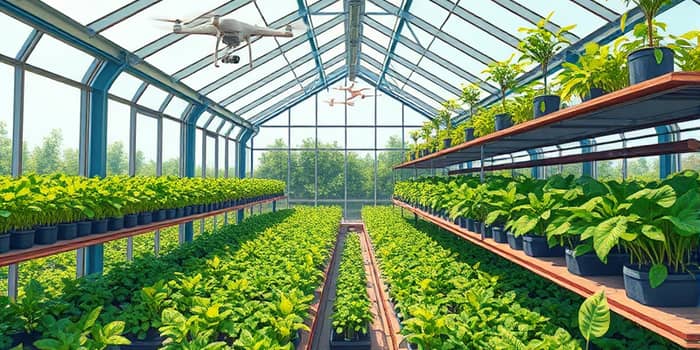
As the global population grows, the agribusiness sector is undergoing a profound transformation. Entrepreneurs, investors, and small-scale producers are discovering premium sustainable niches that promise robust growth and social impact. By focusing on specialized segments, agribusinesses can navigate complex challenges, seize innovation-driven opportunities, and contribute to a more resilient food system.
Global Market Trends and Growth Trajectories
The global agribusiness market reached USD 121.74 billion in 2024 and is forecast to climb to USD 197.17 billion by 2030, reflecting an impressive 8.36% CAGR. Demand for organic, traceable, and transparent food products is surging worldwide, propelled by consumer awareness of health, environmental impact, and ethical sourcing.
Simultaneously, the agritech segment is expanding at over 12.3% annually, with valuations set to double from USD 24.42 billion in 2024 to USD 48.98 billion by 2030. Small and medium enterprises embracing sustainable practices are outpacing traditional operations, growing at more than 12% per year globally as of 2025.
Key Drivers Fueling Niche Innovation
Several macro trends are reshaping agribusiness, creating fertile ground for niche markets. Sustainability, technology integration, and biotechnology stand at the forefront, each unlocking unique avenues for growth and differentiation.
In 2025, over 60% of agriculture venture capital funding targets sustainability-focused and tech-driven startups. This influx of capital emphasizes the role of innovation in solving critical challenges such as resource depletion, climate adaptation, and supply chain transparency.
High-Value Sectors Attracting Venture Capital
- Precision farming and smart sensors: $6.5B investment (+24% YoY)
- Alternative proteins and food innovation: $5.6B investment (+31%)
- Agri-biotechnology and genetics: $5.2B investment (+18%)
- Digital supply chains and traceability: $4.1B investment (+34%)
- Sustainable inputs for carbon, water, nutrient management: $4.8B investment (+28%)
These investments reflect a clear shift toward data-driven resource efficiency and climate-smart practices. Technologies such as AI-powered robotics, drones, blockchain traceability, and CRISPR gene editing are no longer futuristic concepts but practical tools driving productivity and resilience.
Mapping Emerging and Niche Markets
Below is a snapshot of the most promising niche segments in agribusiness, each driven by distinct consumer or regulatory demands and supported by cutting-edge technologies.
Each niche appeals to specific customer segments willing to pay premiums for quality, traceability, and environmental stewardship. By aligning product development with these drivers, agribusinesses can achieve differentiated market positions.
Regional Expansion and Local Adaptation
North America and Europe remain high-growth hubs for sustainable agribusiness, supported by robust regulatory frameworks and affluent consumer bases. However, Asia-Pacific and Latin America are rapidly emerging, fueled by rising incomes, urbanization, and policy incentives for sustainable agriculture.
In regions such as Africa and India, digital supply chain solutions and mobile-based advisory services are transforming smallholder productivity. Local startups are partnering with global players to deploy affordable sensor networks and blockchain traceability, ensuring compliance and opening export pathways.
Collaborations and Industry Leadership
Market leaders like John Deere, Bayer, and AGCO are pioneering precision agriculture machinery and field analytics platforms. At the same time, startups such as Farmers Edge and CropX are delivering tailored solutions for soil moisture management, yield forecasting, and farm-to-fork transparency.
Strategic partnerships between SMEs and corporate giants can accelerate technology adoption and market entry. Grants, subsidies, and tax incentives aimed at green initiatives further reduce barriers, empowering smaller producers to innovate and compete.
Challenges and Critical Success Factors
- Resource depletion and climate adaptation demand resilience
- Technology adoption must align with local capacity and skills
- Market differentiation through eco-labeling and traceability
- Access to finance and supportive policy incentives
- Scalable solutions for transparency and supply chain integrity
SMEs that integrate sustainable practices with innovative market differentiation are best positioned to thrive. Understanding regional regulations, leveraging public-private partnerships, and creating transparent value chains are essential for long-term success.
Case Studies and Illustrative Success Stories
Urban vertical farms in major cities are delivering fresh produce within hours of harvest, reducing transport emissions and spoilage. These operations command premium prices for hyperlocal quality and environmental accountability.
Startups monetizing carbon credits through regenerative farming showcase how soil restoration can become a revenue stream. By measuring soil carbon with advanced sensors and reporting to international registries, farmers secure additional income and contribute to climate mitigation.
Blockchain-driven platforms empower smallholder collectives to prove provenance and secure fair prices on global markets. These initiatives bridge the gap between rural producers and conscious consumers, fostering inclusive growth.
Conclusion: Cultivating Future Growth
Unearthing niche opportunities in agribusiness requires a blend of strategic innovation and sustainable vision. By embracing technology, focusing on premium segments, and forging collaborative partnerships, businesses can unlock new revenue streams and foster environmental stewardship.
As agribusiness continues its trajectory toward USD 197.17 billion by 2030, the most agile and purpose-driven players will define the future of food. Now is the time to invest, innovate, and cultivate the niches that will feed the world sustainably.
References
- https://www.360iresearch.com/library/intelligence/agribusiness
- https://farmonaut.com/blogs/sustainable-agriculture-for-smes-7-powerful-trends-in-2025
- https://www.globenewswire.com/news-release/2025/05/13/3080018/28124/en/Agritech-Market-Global-Outlook-Forecast-Report-2025-2030-Rise-of-Vertical-Farming-and-Controlled-Environment-Agriculture-and-Increased-Investments-in-Agri-Biotechnology-and-Sustain.html
- https://www.researchandmarkets.com/reports/5686153/2025-agribusiness-market-outlook-report
- https://farmonaut.com/blogs/venture-capital-trends-in-agriculture-tech-funds-2025
- https://www.icl-group.com/blog/4-key-agrotech-trends-2025/
- https://brightgreenpartners.com/blog-insights/insights-agrifood-tech-trends-2025/
- https://afbi.dspacedirect.org/items/bc486014-f987-40d8-a211-48d8690d0f10