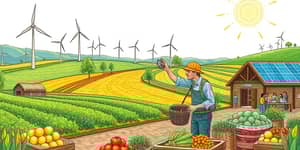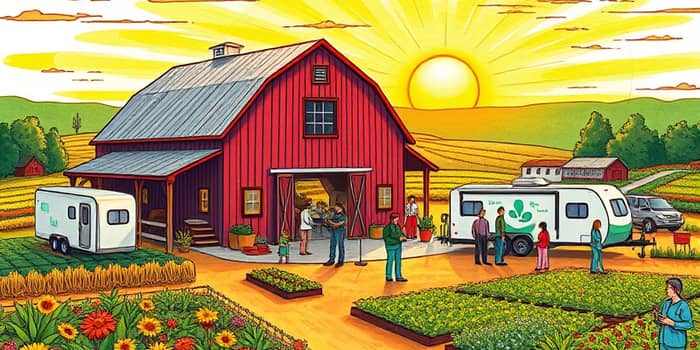
Across America’s countryside, pioneering rural health ventures are taking root in fields and barns. By embracing holistic farm-based wellness programs, communities are redefining what it means to access care. From adaptive reuse clinics in old retail spaces to mobile telehealth trailers rolling between homesteads, investors have an unprecedented opportunity to cultivate impact where it matters most. This comprehensive guide explores the landscape of rural health investments, shining a light on the policies, models, and stories driving transformation in the places often overlooked by traditional systems.
Why Rural Health Needs New Investment Models
More than 61 million Americans live in rural and remote areas, relying on over 11,400 Rural Health Clinics and 2,200 Critical Access Hospitals to meet their needs. Yet traditional fee-for-service models struggle to serve communities with low patient volumes and long travel distances. Innovative financing can bridge this gap by integrating care with local economies, ensuring sustainability beyond grant cycles.
By adopting data-driven and community-led approaches, investors can craft solutions that resonate with local cultures, reduce costs, and improve outcomes in regions where healthcare deserts once prevailed.
The Unique Barriers Facing Farm Families and Rural Workers
Farm families and agribusiness workers face a distinct set of challenges. High-deductible plans, unpredictable income, and seasonal demands often push preventive care to the backburner. Cultural norms reinforce self-reliance, making it difficult to seek help until crises emerge. Mental health and substance misuse issues remain underreported due to stigma and limited specialist access.
Programs like Wisconsin’s Rural Health Initiative offer free on-farm screenings and coaching, building trust through direct outreach in familiar settings. These efforts exemplify how tailored services can break down barriers and encourage timely care for those who feed the nation.
Recent Federal Policies and the Scale of Opportunity
The One Big Beautiful Bill Act (OBBB, 2025) represents a seismic shift in rural health financing. With $50 billion earmarked for transformation over five years, states must integrate these funds into their CMS-administered transformation plans. This allocation dwarfs previous investments, creating space for large-scale infrastructure, workforce development, and technology upgrades.
Complementing this federal infusion, the USDA’s $74 million Emergency Rural Health Care Grants program supports clinic renovations, telehealth expansion, and nutrition services across 37 states and territories. Together, these streams empower communities to reimagine care delivery and secure long-term viability.
How Wellness Outreach is Transforming Rural Health
In-home and on-farm models, often called Kitchen Wellness, bring preventive screenings, nutrition counseling, and chronic disease management directly to doorsteps. Removing travel burdens and offering services during off-peak farming hours have dramatically increased participation rates among agricultural workers.
Telehealth continues to expand, with 32% of rural organizations adopting AI-enabled tools for diagnostics and care coordination. Mobile units equipped for urgent care and lab services bridge the gap for communities miles from the nearest hospital.
The Role of Agriculture and Food Security in Rural Wellness
Rural health extends beyond clinical walls into fields and markets. Initiatives that integrate local food systems—like farmers markets coupled with medical screenings—address nutrition and bolster economic resilience. In Winnebago, Nebraska, cross-sector partnerships weave together tribal health, food sovereignty, and retail adaptive reuse, creating a holistic ecosystem for wellness.
Such programs illustrate public and private partnerships at their best, aligning agricultural output with community health goals and generating new revenue streams for small producers.
Challenges in Research, Funding, and Technology
Despite optimism—96% of rural healthcare leaders believe in financial viability—significant hurdles remain. Over 50 HHS rural health grants were terminated in 2025, jeopardizing research on mental health, substance use, and chronic disease disparities. Proposed NIH cuts of 40% and the potential elimination of the National Institute on Minority Health and Health Disparities threaten progress for minoritized rural populations.
Cybersecurity also looms large, with 65% of organizations ranking it a top concern and 81% boosting security investments. Ensuring data privacy while expanding digital infrastructure will be critical for sustaining trust and innovation.
Case Studies: Success Stories from Across Rural America
Grace Health Medical Campus in Kentucky repurposed a vacant K-Mart into a $20.2 million health hub offering primary care, dental services, and a drive-up pharmacy in a town of 7,600. Wagner Community Memorial Hospital in South Dakota spearheaded a nonprofit economic corporation that revitalized retail space and created local jobs, demonstrating the ripple effect of health investment.
These examples showcase how transforming rural health outcomes can catalyze broader economic growth, creating virtuous cycles of prosperity.
Strategic Steps for New Rural Health Investors
- Align projects with state CMS transformation plans under the OBBB framework.
- Leverage USDA grants and loan guarantees for capital-intensive infrastructure upgrades.
- Partner with local leaders to design culturally competent outreach programs.
- Integrate telehealth and AI tools to extend care and optimize resources.
- Invest in cybersecurity measures to protect patient data and systems.
- Support community-led food security and wellness initiatives for holistic impact.
As rural America navigates a new era of opportunity, investors have the chance to sow seeds of change that yield healthy, thriving communities. By embracing collaborative, innovation-driven models and harnessing historic funding streams, the vision of the Wellness Farm can become a reality for every county, township, and family working the land. The time to invest in rural health ventures is now—because the well-being of millions depends on our collective commitment to nourish both body and soil.
The landscape of rural health is evolving rapidly, driven by policy innovations, community ingenuity, and bold investment. By planting resources thoughtfully and nurturing partnerships, stakeholders can harvest long-term benefits—for health, economy, and social cohesion across rural America.
References
- https://www.ruralhealthinfo.org/project-examples/778
- https://www.hklaw.com/en/insights/publications/2025/07/one-big-beautiful-bill-includes-50b-rural-health
- https://www.buildhealthyplaces.org/tools-resources/rural-resources/
- https://wildernessmedicalstaffing.com/future-rural-healthcare-2025/
- https://www.phi.org/thought-leadership/new-rural-healthcare-partnership-models-of-investment/
- https://nosorh.org/wipfli-releases-2025-state-of-rural-healthcare-report/
- https://www.usda.gov/about-usda/news/press-releases/2022/08/11/biden-harris-administration-invests-74-million-improve-health-care-people-living-37-states-guam-and
- https://www.ruralhealth.us/blogs/2025/05/how-research-cuts-and-data-infrastructure-changes-impact-rural-communities