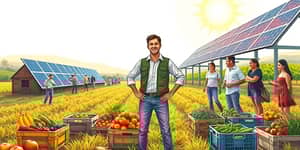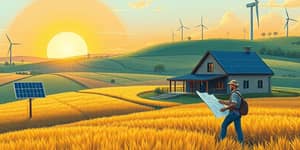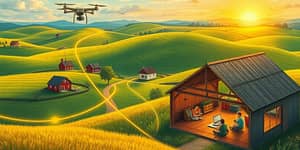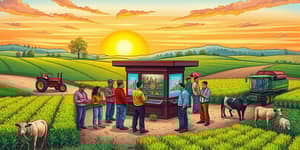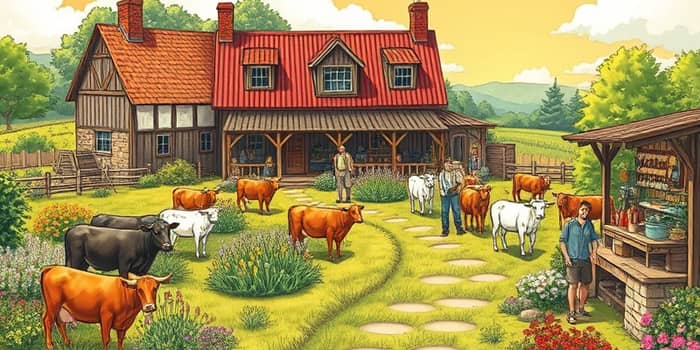
Embracing the homestead hustle means combining a love for the land with a creative entrepreneurial spirit. Rural living holds the promise of independence and income, but requires dedication and vision.
The Homesteading Renaissance: Roots and Modern Appeal
Homesteading traces its origins to the 1862 Homestead Act, which granted settlers 160 acres in exchange for cultivation and residence for five years. Over 270 million acres were claimed, shaping the American frontier.
Today, a renewed interest in self-sufficiency and sustainable living has drawn people of all backgrounds to the countryside. They seek fresh air, healthy food, and the satisfaction of creating something with their own hands.
Lifestyle and Commitment: The Reality of Rural Homesteading
Rural homesteading demands more than a weekend hobby. It involves constant seasonal crop management, mechanical upkeep of tractors and tools, and round-the-clock care for animals.
- Rural homesteads with expansive land allow room for large gardens, orchards, and pastures for livestock such as sheep or cattle.
- Suburban micro-homesteads in backyards focus on intensive raised beds, backyard poultry, and container gardening.
- Urban rooftop gardens and vertical farms bring homesteading principles into cityscapes, maximizing space and resource efficiency.
- Off-grid homesteads powered by renewables emphasize independence from municipal utilities through solar panels, wind turbines, and rainwater harvesting.
These variations show that homesteading adapts to available space and personal goals. Yet, every model shares a foundational commitment to reducing reliance on external systems.
Monetizing the Homestead: Proven and Emerging Revenue Streams
Transforming a homestead from a labor of love into a sustainable business begins with identifying marketable outputs and leveraging unique skills. Successful homesteaders often diversify, combining multiple income streams to balance seasonal fluctuations.
- Cottage food products in local markets: jams, pickles, baked goods, and preserves sold under state Cottage Food Laws.
- Herb farming and value-added creations: lavender bouquets, herbal teas, balms, soaps, and aromatherapy oils.
- Handcrafted home goods and decor: artisan candles, woven baskets, pottery, and hand-carved wooden utensils.
- Agritourism events and workshops: U-Pick fruit experiences, cheese-making classes, harvest festivals, and farm-to-table dinners.
- Livestock products and breeding programs: free-range eggs, raw honey, wool and fiber sales, and small-scale animal breeding.
- Digital content and educational services: blogs, YouTube tutorials, e-books, and virtual homesteading courses with ad revenue and sponsorships.
Each of these channels requires strategic planning—pricing, packaging, branding, and distribution. Homesteaders who excel often blend traditional markets with online platforms.
Navigating Legal and Logistical Barriers
Before launching a homestead-based enterprise, understanding local regulations is critical. Zoning laws, health codes, and food safety rules vary by county and state. Many jurisdictions have lenient provisions for low-volume producers, but research is essential.
Creating a formal business plan helps clarify resource needs, projected costs, and revenue targets. Securing proper licenses or permits can open doors to farmers’ markets, CSA (Community Supported Agriculture) programs, and agritourism grants.
While the number of farms has declined sharply, average sizes have grown, underscoring consolidation trends and the need for creative revenue diversification.
Market Realities: Who Buys Homestead Goods, and Where?
Consumers seek authentic, handcrafted, and local products. Farmers’ markets, specialty food stores, and health-conscious customers drive demand for homestead offerings. Online marketplaces such as Etsy and direct-to-consumer websites expand reach beyond rural zip codes.
Participation in CSA programs builds loyal customer bases, offering weekly boxes of seasonal produce in exchange for upfront membership fees. Collaboration with restaurants and cafés can secure bulk buyers for eggs, honey, and herbs.
Risks, Challenges, and the Instagram Ideal
Homesteading lifestyle marketing often overlooks the sweat equity required. Photogenic farm selfies mask early mornings, unpredictable weather, and equipment breakdowns.
- High upfront investment costs: land purchase, fencing, livestock, and machinery can strain finances.
- Limited market access: remote location demands strong digital marketing or frequent market attendance.
- Physical and emotional toll: 365-day commitments with minimal opportunity for extended vacations.
- Regulatory complexities: navigating varying state and county regulations for food, livestock, and agritourism.
Awareness of these challenges allows aspiring homesteaders to plan risk mitigation strategies, such as phased investments, cooperative ventures, and community partnerships.
Community and Culture: Collaboration and Resilience
One of homesteading’s greatest strengths is the culture of mutual aid. Online forums and local bartering networks foster knowledge exchange, tool lending, and seed swaps.
Events such as regional homestead conventions and workshops create spaces for networking, mentorship, and shared resources. Foundations and nonprofits sometimes offer grants to revitalize rural economies, encouraging newcomers with financial support.
Real People, Real Hustle: Transformative Anecdotes
Consider the couple who turned a former dairy barn into an agritourism hub. They host weekend workshops on syrup-making and poultry care, drawing visitors who pay for immersive farm stays. Their annual revenue now exceeds six figures.
An urban transplant started with a small backyard vegetable plot, then expanded into a rooftop greenhouse. By selling microgreens and exotic herbs to city chefs, they built an online following of 50,000 subscribers, generating ad and affiliate income.
Rural homesteading is more than a trend; it’s a dynamic blend of tradition and innovation. With careful planning, community support, and unwavering determination, the homestead hustle can become both a fulfilling lifestyle and a sustainable business. Embrace the challenges, celebrate the small victories, and cultivate a life rooted in purpose and prosperity.
References
- https://narrowayhomestead.com/blogs/homestead/discovering-the-essentials-what-are-homesteaders-and-their-way-of-life
- https://thehomesteadchallenge.com/what-homesteading-means-to-me/
- https://www.newlifeonahomestead.com/what-rural-living-is-like/
- https://homestead.motherearthnews.com/author/emilystevenson/
- https://www.treehugger.com/definition-of-homesteading-3016761
- https://thehustle.co/would-you-take-free-land-in-rural-america
- https://homestead.motherearthnews.com/homestead-hustle-101/