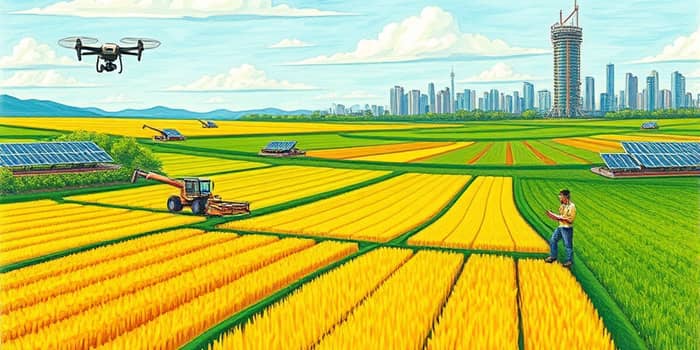
The global food system stands at a crossroads, shaped by fluctuating markets, evolving consumer demands, and rapidly advancing technologies. Understanding financial metrics today lays the groundwork for sustainable growth, risk management, and long-term prosperity in agriculture.
Overview: Why Financial Trends Matter for Food’s Future
Financial health in agriculture reflects more than profits and losses. It drives investment decisions, informs public policy, and ultimately dictates food availability and affordability. Amid climate volatility and shifting dietary patterns, data-driven insights become essential for farmers, investors, and policymakers alike.
Farm Income and Financial Health in 2025
The U.S. farm sector is enjoying a significant boost. Net farm income is forecast to rise by 26.4%, reaching $180.3 billion in inflation-adjusted terms, primarily fueled by disaster assistance and stabilization efforts.
Even as farm cash receipts edge down by 0.3% to $515 billion, livestock products like hogs, milk, and broilers see a $3.8 billion uptick, offsetting weaker crop returns. Government payments are projected to surge to $42.4 billion, an increase of $33.1 billion under the American Relief Act of 2025.
Production expenses are expected to dip slightly by 0.6% to $450.4 billion, driven by lower feed costs but partly offset by rising livestock purchases. Farm sector assets are up 4.2% to $4.40 trillion, with equity climbing 4.3% to $3.83 trillion and debt rising 3.7% to $561.8 billion, keeping the debt-to-asset ratio stable at 12.8%.
Commodity Prices and Profitability Pressures
Row crop prices for corn, soybeans, and wheat have softened due to record yields and large carryover stocks, intensifying the need for strict cost discipline. Producers face tightened margins as input costs remain persistent.
In contrast, the livestock sector is showing resilience. Hog, milk, and broiler receipts are projected to rise by 1.4%, providing a relative buffer against crop volatility. Still, rising interest rates and selective credit conditions add pressure across the board, challenging farmers to optimize working capital.
Technological Disruption and AgTech Investment
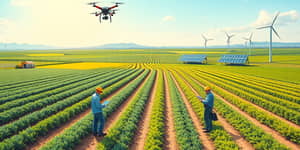
Innovation is reshaping farm finance. Global agtech investment reached $29.6 billion in 2023, with U.S. farm tech spending expected to surpass $18 billion by 2025. Precision tools and digital platforms unlock new efficiencies and revenue streams.
- AI, IoT, and Data Analytics: Real-time monitoring for disease detection and yield forecasting dramatically reduces risk exposure.
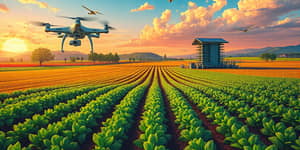
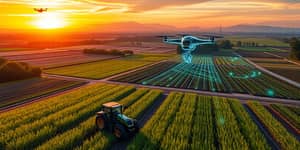
- Drones and Automation: Aerial imaging, targeted spraying, and autonomous machinery optimize labor and input use.
- Vertical Farming and Controlled Environment: Urban and regionally localized production boosts supply resiliency and shortens supply chains.
Sustainability, Regenerative Agriculture, and Carbon Markets
By 2025, an estimated 32% of U.S. farmland will operate under sustainable and regenerative practices, up from 22% five years earlier. Soil health initiatives and carbon sequestration are at the forefront, driven by both policy incentives and private markets.
Climate tech investments target bio-based crop inputs, microbial biostimulants, and carbon-neutral fertilizers, offering alternatives to traditional agrochemicals. Consumer demand for plant-based foods and organics continues to rise, with plant-based products capturing over 11% of the U.S. food market and organics reaching $66 billion in sales.
Credit Markets and Lending Conditions
While credit remains accessible, lenders have adopted a more cautious stance. Interest rates hover at multi-year highs, and underwriting criteria have tightened. Producers must demonstrate robust business plans and risk mitigation strategies to secure financing.
Government-backed insurance programs and targeted relief funds are playing larger roles in stabilizing operations. Crop insurance coverage, disaster aid, and federal loan guarantees serve as critical backstops during extreme weather and market downturns.
Key Risks: Climate, Weather, and Labor
Annual weather-related losses in U.S. agriculture exceed $33 billion, underscoring the urgent need for climate adaptation. Simultaneously, rural labor shortages—estimated at 25%—create operational bottlenecks.
- Weather and climate variability
- Persistent labor and workforce constraints
- Margin compression in row crop sectors
- Selective lending and credit availability
Consumer Trends and Public Policy
Shifting consumer preferences for health, environmental impact, and food provenance are shaping farm decisions. Organic and plant-based segments continue to expand, prompting farms to diversify their product mix and adopt traceability systems.
On the policy front, direct payments and ad hoc disaster assistance are becoming long-term fixtures, reinforcing farm balance sheets. Insurance reforms and climate-smart practice incentives aim to align financial returns with environmental stewardship.
Future Outlook: Adaptation, Opportunity, and Growth
The coming decade offers both challenges and opportunities. Farmers who leverage data-driven decision making and embrace sustainable innovations will be best positioned for success. Integration of digital platforms and carbon markets promises new revenue streams.
Venture capital flows toward agritech startups remain robust, with precision agriculture and climate-smart solutions leading the way. As public and private capital increasingly align, the food system will evolve to meet global demands in a resilient, efficient, and equitable manner.
By staying informed on financial trends, investing in technology, and prioritizing sustainability, stakeholders across the value chain can help shape a future where food security and environmental health go hand in hand.
References
- http://www.ers.usda.gov/topics/farm-economy/farm-sector-income-finances/farm-sector-income-forecast
- https://www.icl-group.com/blog/4-key-agrotech-trends-2025/
- https://www.greenstonefcs.com/resources/open-fields-blog/2025/2025-ag-economic-outlook
- https://farmonaut.com/blogs/agtech-investment-5-shocking-trends-revolutionizing-farming
- https://farmonaut.com/usa/us-farming-industry-2025-trends-opportunities
- https://farmonaut.com/precision-farming/top-agriculture-investment-trends-precision-farming-insights
- https://www.conterraag.com/2025-farm-finance-outlook-ag-recession-or-realignment/
- https://www.fjdynamics.com/blog/industry-insights-65/agriculture-technology-304