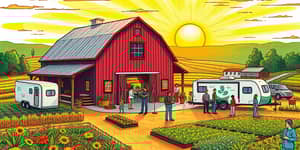
In the rolling hills and fertile valleys beyond urban skylines, a new breed of entrepreneur is emerging. Armed with innovative ideas and a profound respect for nature, these visionaries are shaping the future of rural economies. This movement transcends traditional business models by interweaving profitability with preservation, creating strong environmental stewardship and economic growth across countryside communities.
At the heart of this evolution lies a commitment to long-term environmentally sustainable practices, from organic farming to renewable energy cooperatives. Yet, for these pioneers, the journey from concept to reality is paved with unique financial challenges. Understanding how to secure capital, build investor confidence, and foster community support can transform ambitious dreams into thriving enterprises.
The Rise of Rural Eco-Entrepreneurship
Rural areas are experiencing a remarkable surge in entrepreneurial activity. With more startups per capita than many urban centers, small towns are reviving their economies through niche markets and local ingenuity. Crucially, the survival rate for these ventures is encouraging: rural entrepreneurs often benefit from tight-knit community support networks and a shared commitment to regional prosperity.
This renaissance is especially vivid in sectors that prioritize ecological balance. Craft food producers, artisan cheesemakers, and organic flower farms are flourishing. Younger generations, drawn by the promise of land and lifestyle, are spearheading projects that blend tradition with technology. These eco-entrepreneurs leverage social capital and local ingredients, contributing to vibrant, self-sufficient markets.
- Nonemployer businesses rose by 72% between 2000 and 2021, reaching 28.5 million nationwide.
- Rural companies enjoy a 51% financing approval rate, outpacing urban firms at 38%.
- Higher survival rates compared to urban counterparts reinforce rural viability.
Environmental and Economic Synergy
The synergy between environmental stewardship and economic vitality is fundamental to sustainable rural development. By integrating eco-friendly methods, entrepreneurs not only protect natural resources but also unlock new revenue streams. Agritourism, for instance, invites visitors to experience farm life, generating hospitality income while showcasing sustainable agriculture.
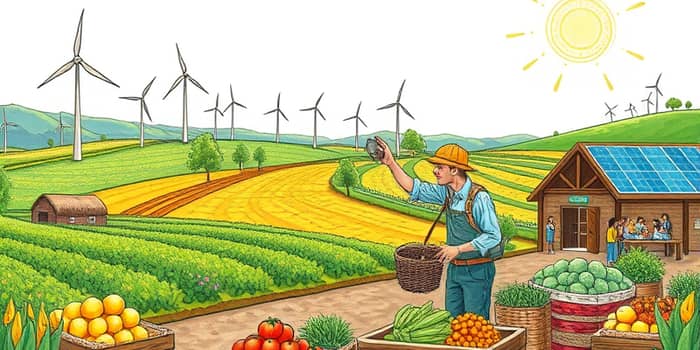
Renewable energy projects—solar arrays, wind turbines, and bioenergy installations—exemplify this dual benefit. They reduce carbon footprints and deliver long-term savings on operational costs. In many regions, revenue-sharing models enable community members to invest directly, ensuring meaningful wealth retention within communities and aligning public interests with business success.
A collaborative approach fosters resilience. Partnerships between local governments, cooperatives, and private investors catalyze progress. Programs like Build to Scale and Opportunity Now Funds are expanding tech ecosystems beyond cities, offering resources to rural startups that blend green innovation with digital solutions.
Challenges on the Path to Green Growth
Despite clear advantages, rural eco-entrepreneurs face significant obstacles. Smaller local markets can limit revenue potential, and recruiting skilled labor remains a hurdle. Access to capital, although more favorable in approval rates, often involves smaller sums and fewer specialized investors.
Infrastructure gaps add complexity. Reliable high-speed internet, essential for digital marketing and remote management, can be scarce in remote areas. Seasonal fluctuations in demand impact cash flow, while regulatory hurdles around land use and environmental compliance may overwhelm new business owners.
Addressing these challenges requires targeted strategies. Governments and nonprofits are stepping in with grants, low-interest loans, and technical assistance. Nevertheless, entrepreneurs must cultivate adaptability, leveraging local strengths and strategic partnerships to navigate an evolving landscape.
Financing Strategies for Sustainable Ventures
Securing the right mix of funding is critical for eco-entrepreneurs. A multi-pronged approach can include traditional bank loans, community development financial institutions (CDFIs), grant programs, and private investment pools. Understanding investor expectations is paramount: clear business plans, robust impact metrics, and transparent financial projections build credibility.
Programs like Heartland Forward’s Center for Investment Readiness provide crucial guidance. Through workshops and mentorship, entrepreneurs learn to refine pitches, optimize operations, and leverage data for impact reporting. Similarly, grassroots support programs in states like Colorado award loans and mentorship through local competitions, fostering essential grassroots support and mentorship networks.
- Engage with CDFIs to access community-focused financing.
- Apply for federal and state sustainability grants.
- Build investor presentations highlighting environmental impact and ROI.
- Partner with local cooperatives for shared infrastructure costs.
Building a Resilient Rural Future
The promise of eco-entrepreneurship extends beyond individual ventures. When successful businesses thrive, they inspire others, creating a ripple effect that strengthens rural economies. Educational institutions, like Colorado State University, are defining “Rural Tech Hubs” to foster innovation, while organizations like Startup Colorado champion local entrepreneurs.
By investing in both people and infrastructure, communities can sustain growth. Expanding broadband access, enhancing financial literacy, and promoting inclusive policies ensure that all residents share in the benefits. Collaborative initiatives, such as regional funds that pool capital from public and private sources, reinforce resilience.
Ultimately, the journey of the eco-entrepreneur is a testament to human creativity and determination. Through collaborative local investment readiness initiatives and a shared vision of prosperity, rural areas can emerge as epicenters of sustainable progress. As more businesses adopt green models, they lay the groundwork for a future where economic success and ecological integrity walk hand in hand.
Embracing this path demands courage and innovation, but the rewards are profound: healthier ecosystems, stronger communities, and lasting prosperity. For those ready to embark on this journey, the countryside offers fertile ground—not just for crops, but for dreams that can change the world.
References
- https://jcshepard.com/2025/01/sustainable-rural-economies/
- https://www.marketplace.org/story/2025/05/21/rural-entreprenuers-are-a-bright-spot-in-a-chaotic-economy
- https://startupcolorado.org/the-future-of-rural-entrepreneurship/
- https://www.choicesmagazine.org/choices-magazine/submitted-articles/nonemployer-businesses-are-increasing-in-number-in-rural-america
- https://phys.org/news/2025-05-young-food-entrepreneurs-rural-america.html
- https://www.devex.com/news/sponsored/why-supporting-small-rural-businesses-is-key-to-local-economic-growth-110199
- https://www.fedsmallbusiness.org/categories/rural
- https://www.hostinger.com/tutorials/small-business-statistics