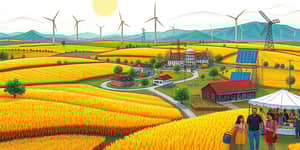
Far from the hustle of city streets, rural landscapes hold a special place in the hearts of dreamers. Here, a sense of community and self-reliance can transform an idea into a thriving venture. Yet, the path to launching a rural business requires strategy, resilience, and access to capital. In this guide, we will explore funding avenues, unpack challenges, and share inspiring examples to help you become the countryside capitalist who brings prosperity back to America’s small towns.
Overview: The Rural Entrepreneurship Opportunity
The potential for economic revival in small towns is immense. Today, rural businesses face unique hurdles that urban counterparts rarely encounter. One major barrier is limited access to capital, which prevents many innovations from taking root. At the same time, communities in the countryside benefit from lower overhead costs, tight-knit networks, and untapped local markets. With the right support, rural entrepreneurs can harness these advantages to drive sustainable growth and community enrichment.
Despite this promise, an economic divide between rural and urban regions has widened over recent decades. Statistics show that scaling to one million dollars in annual revenue is especially daunting outside metropolitan hubs. Yet, entrepreneurs who persevere often find that success in small towns carries unique rewards: deeper community impact, lower competition, and the satisfaction of revitalizing local economies.
Startup Costs: What It Takes to Launch
Understanding the real numbers behind a rural startup is crucial for any would-be investor or entrepreneur. For example, launching a boutique country hotel can demand investments ranging from one to four million dollars. Expenses include land acquisition, construction, staffing, and marketing. Similarly, small retail shops or resorts may require significant buildout and inventory costs. Below is a breakdown of typical cost categories to help you plan your capital requirements with clarity.
Overall, depending on scope and location, a rural hospitality or retail venture often requires initial capital of $1,005,000 to $3,920,000. Grasping these figures early will guide your fundraising strategy and prevent unwelcome surprises.
Funding Mechanisms
Rural entrepreneurs can tap into diverse funding sources tailored to the unique needs of small communities. Leveraging grants, loans, and private partnerships can lower financial barriers and accelerate growth. The key is to align your business model with the mission of each program and to approach each opportunity with a clear, well-researched plan that addresses specific eligibility criteria and impact goals.
- Government Grants: Programs like the USDA Rural Business Development Grants (RBDG) support small businesses with fewer than 50 employees and under $1 million in annual revenue by funding technical assistance and training.
- State and Local Grants: Many counties and municipalities offer localized grants aimed at boosting rural economies, with awards that vary by region, industry, and demonstrated community impact.
- Corporate and Nonprofit Grants: Foundations and corporations may fund initiatives led by women-owned, veteran-owned, or BIPOC-owned businesses, especially those focusing on sustainability and community revitalization.
- Loans and Loan Guarantees: Pairing grants with low-interest loans—from Farm Credit institutions to community banks—can stretch limited capital further and provide flexible repayment terms.
Key Challenges
Pursuing funding in rural areas is rewarding but not without obstacles. Entrepreneurs must navigate competitive application processes and often have fewer local financial institutions willing to underwrite risk. Building capacity for grant writing, developing strong financial projections, and cultivating relationships with program officers are essential steps to overcome these hurdles.
- Access to Private Capital is constrained by perceived risk and geographic isolation.
- Competition for Grants means only a fraction of applicants receive funding each year.
- Technical Know-How gaps in compliance and reporting can stall or disqualify applications.
Eligibility Factors and Grant Application Tips
Most rural funding opportunities require applicants to meet criteria such as population thresholds, revenue limits, and proof of community benefit. Tailoring your proposal to highlight job creation, local sourcing, or educational outreach can strengthen your case. Additionally, demonstrating strong partnerships—whether with nonprofits, local governments, or industry groups—bolsters credibility and shows readiness for implementation.
- Location Requirements: Must serve populations under 50,000 residents to qualify for rural-specific programs.
- demonstrated economic impact and job creation: Craft narratives with concrete projections and community testimonials.
- Matching Funds and Budget Clarity: Some grants mandate a 25% or higher cash match, so budget meticulously.
- Timeline Management: Develop a grant calendar to track deadlines, deliverables, and reporting milestones.
Sector-Specific Opportunities
The rural landscape supports a rich tapestry of ventures. In agriculture, value-added agricultural and market-driven ventures—such as farm-to-table operations or artisanal food production—attract grants that focus on sustainable practices and local supply chains.
In hospitality and tourism, boutique inns, retreats, and heritage tours can leverage grants for historic preservation, community integration, and eco-friendly infrastructure. Creative branding and partnerships with local artisans can amplify appeal and diversify revenue streams.
Renewable energy projects, including solar, wind, and sustainable retrofits, are prime candidates for specialized grants. Programs that cover up to 50% of project costs can reduce operating expenses and signal your commitment to environmental stewardship.
Case Studies and Success Tips
Consider the story of Willow Creek Farm, where a veteran entrepreneur transformed a neglected property into an organic dairy cooperative. By securing a mix of USDA grants and community bank loans, the founder hired local labor and introduced educational farm tours. Today, the farm exceeds $1 million in annual sales and has become a regional tourism anchor.
Another inspiring example is the Maple Ridge Boutique Resort. Starting with just a 10-acre plot, the owners tapped USDA energy improvement grants to install solar panels and efficient heating systems. Combined with targeted state tourism grants and a strategic marketing campaign, the resort achieved break-even within two years and now hosts weddings and conferences year-round.
Key takeaways from these successes include thorough business planning, early engagement with funding agencies, and building a local support network. Remember, every application is an opportunity to refine your vision and articulate the broader community benefits.
Conclusion: Taking the First Step
Your rural dream is within reach when you approach funding with intentionality and creativity. Start by mapping your capital needs, researching programs that align with your mission, and gathering strong data to back your projections. With perseverance, the right partnerships, and a compelling narrative that showcases community revitalization, you can become the Countryside Capitalist who fuels prosperity in towns across the nation. Embrace this journey, and watch your vision transform the rural landscape.
References
- https://www.shopify.com/blog/small-business-grants
- https://businessplan-templates.com/blogs/startup-costs/rural-hotel
- https://www.rd.usda.gov/programs-services/business-programs/rural-economic-development-loan-grant-programs
- https://www.starterstory.com/ideas/rural-resort-business/startup-costs
- https://ruralaction.org/our-work/sustainable-agriculture/whole-farm-project/funding-opportunities/
- https://ruralinnovation.us/resources/reports/rural-americas-struggle-to-access-private-capital/
- https://www.nerdwallet.com/article/small-business/farm-grants
- https://www.jpmorganchase.com/institute/all-topics/business-growth-and-entrepreneurship/the-rural-divide-small-business-revenue-milestones-in-the-us