The global agribusiness exchange plays a pivotal role in shaping markets, safeguarding livelihoods, and ensuring food security. This article explores the intricate mechanisms behind commodity trading, outlines effective hedging strategies, and highlights emerging innovations driving the sector forward.
Industry Overview
Agribusiness spans production, processing, and distribution of agricultural goods, accounting for a substantial portion of global commerce. With a nominal commodities market value of $131 trillion in 2024, agricultural trading underpins food security and investment trajectories worldwide.
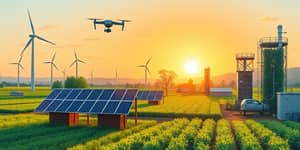
Traditional farm products now integrate with high-tech solutions—automation, real-time analytics, and logistics tracking—creating a dynamic ecosystem that responds rapidly to supply chain shifts and market demands.
Understanding Agribusiness Exchanges
Commodities exchanges are regulated platforms where standardized contracts—futures, options, and swaps—are traded. They serve as central nodes for price discovery, transparency, and regulation, ensuring market integrity and fair access.
Leading exchanges include CME Group, NYMEX, CBOT, MCX, and NCDEX. In India alone, staples like rice, wheat, sugar, and cotton account for a major share of trading volumes, demonstrating the regional significance of agricultural exchanges.
Types of Commodity Contracts
Market participants can choose from several contract forms to suit their risk tolerance and trading objectives. Key instruments include:
The Trading Process on Exchanges
The path from order placement to settlement involves multiple steps:
1. Order Placement: Traders submit buy or sell orders via brokers. 2. Matching: The exchange’s matching engine pairs complementary orders. 3. Clearing: A clearinghouse guarantees performance and manages counterparty risk. 4. Settlement: Contracts conclude with physical delivery or cash settlement of gains and losses.
Trading and Hedging Strategies
Effective market participation requires a blend of speculative insight and prudent risk management:
- Profit from price movement: Speculators take long or short positions to capture directional shifts.
- Exploit spread trading opportunities: Calendar and inter-commodity spreads leverage price differentials.
- Algorithmic and automated trading: Data-driven models execute high-speed strategies.
- Lock in prices and protect: Producers sell futures to hedge against price drops.
- Secure cost inputs with futures: Buyers purchase contracts to guard against price hikes.
- Maintain basis trading positions: Combine physical and futures markets to minimize local risk.
Risk management hinges on margin management, stop-loss orders, and strategic diversification across commodities and contract types.
Technological Innovations
Digital transformation is accelerating efficiency and transparency across agribusiness exchanges. Blockchain and smart contracts offer immutable traceability, reducing disputes and fraud.
Advanced data analytics deliver real-time pricing and trend prediction, empowering traders to respond instantly to market shifts. Digital marketplaces now integrate contracting, logistics management, and compliance tools into unified platforms.
Global Trends and Developments
Regulators and industry bodies emphasize food security, farmer protection, and price stabilization. Policies such as India’s Minimum Support Price influence trading volumes and participant behavior.
Sustainability and climate resilience are reshaping risk models. Weather-linked derivatives and carbon credit integrations are emerging to address environmental uncertainties.
Case Studies and Practical Tips
Several agri-trading startups have leveraged technology to achieve market success. One platform combined remote sensing data with AI-driven pricing models, reducing margin call incidents by 30%. Another implemented mobile-based order entry, expanding access among smallholder farmers.
Practical recommendations for participants:
- Implement robust stop-loss and take-profit orders to manage volatility spikes.
- Regularly review margin requirements to prevent unexpected margin calls.
- Leverage multiple exchanges to compare liquidity and pricing depth.
Challenges and Future Outlook
Global events—geopolitical tensions, extreme weather, and supply chain disruptions—continue to inject volatility into agricultural markets. Smallholders often face capital constraints due to margin pressures and regulatory hurdles.
Looking ahead, further automation, integration of AI, and strengthened regulatory oversight will define the next phase of exchange evolution. Stakeholders who embrace innovation and maintain disciplined hedging frameworks will be best positioned to thrive.
The agribusiness exchange stands at the crossroads of tradition and technology, forging a future where markets are more resilient, transparent, and inclusive. By mastering trading and hedging strategies, participants can secure stable returns, protect against uncertainties, and contribute to global food security.
References
- https://www.investopedia.com/terms/c/commoditiesexchange.asp
- https://novalindia.com/agricultural-commodities-trading/
- https://www.numberanalytics.com/blog/beginners-guide-exchange-traded-derivatives-agribusiness
- https://www.numberanalytics.com/blog/agri-exchange-market-tips
- https://demigos.com/blog-post/how-to-develop-and-launch-an-agri-commodity-marketplace/
- https://www.investopedia.com/terms/a/agribusiness.asp
- https://www.bajajbroking.in/knowledge-center/commodity-exchange
- https://www.religareonline.com/knowledge-centre/commodities/what-is-agriculture-commodities-trading/