In an era where climate change and resource scarcity dominate headlines, agriculture stands at a crossroads. Investors are increasingly drawn to ventures that marry profitability with purpose. unprecedented consumer demand for organic products and a mounting urgency to preserve ecosystems have created fertile ground for eco-friendly agribusiness. This article dives deep into the market dynamics, core practices, investment opportunities, and challenges shaping the sustainable agriculture revolution.
Market Analysis: Growth and Projections
The global sustainable agribusiness sector is experiencing remarkable expansion. Valued at $15.36–$21.7 billion in 2024, the market is projected to more than double by 2034, reaching up to $59.3 billion. Annual estimates suggest a robust CAGR of 10–11% between 2025 and 2034, reflecting strong investor confidence and consumer shifts toward green products.
Regenerative agriculture, a vital subsegment, is expected to grow to $982.9 million by 2025. This surge is driven by the recognition that healthy soils and diversified crops can offer both environmental and economic returns over the long term.
Drivers for Change
Multiple forces are converging to redefine agriculture. Climate concerns, shifting consumer expectations, and government policies are all pushing the sector toward more sustainable methods. Roughly 30% of global carbon emissions originate from conventional farming, prompting policy makers and corporates to seek alternative models.
Key drivers include:
- Rising environmental awareness among consumers
- Net-zero emission commitments by governments
- robust financial incentives and policy support
- Technological breakthroughs in digital farming
Core Sustainable Practices
Sustainable agribusiness is grounded in a set of proven techniques that balance productivity with conservation. These methods not only reduce environmental footprints but also enhance resilience against climate variability.
Prominent practices include:
- Organic farming that eschews synthetic fertilizers and pesticides
- restoring soil health and biodiversity through cover crops and crop rotations
- No-till and minimal-till strategies to prevent erosion
- Agroecology and regenerative agriculture focusing on closed-loop systems
Adoption of these practices is accelerating as farmers witness improvements in yield stability and long-term soil vitality.
Regional and Sectoral Insights
Geographic variations shape the sustainable agriculture landscape. North America and Europe lead in organic certifications and consumer spending, propelled by established distribution channels and wealthy clientele. In contrast, emerging markets like India exhibit explosive growth rates, underpinned by government missions such as the National Mission for Sustainable Agriculture and Paramparagat Krishi Vikas Yojana.
Smallholder farmers in developing regions face infrastructure challenges but are gradually gaining access to organic inputs and market intelligence via digital platforms such as India’s e-NAM network. This democratization of information is leveling the playing field and unlocking new pockets of productivity.
Technological Disruption and Innovation
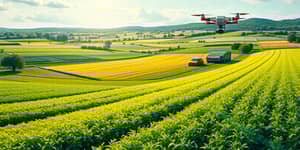
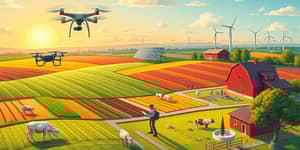
The infusion of advanced technologies is transforming traditional fields into high-tech operations. AI-driven soil analysis, drone-based crop monitoring, and IoT-enabled irrigation systems optimize resource use and reduce waste.
Blockchain and digital marketplaces are enhancing traceability, meeting consumer demands for transparency. These innovations create cutting-edge precision agriculture technologies that boost efficiency and open fresh investment channels.
Business and Investment Case
Investors are channeling capital into diverse segments:
- Technology providers offering AI, remote sensing, and data analytics
- Manufacturers of bio-based inputs like organic fertilizers and biopesticides
- Supply chain ventures utilizing blockchain for enhanced transparency
- Sustainable food and beverage brands with integrated sourcing
Major corporations such as Archer Daniels Midland, BASF, and Mondelēz are pivoting toward green portfolios, launching product lines and acquiring innovative startups. Investment patterns reveal a tilt toward integrated solutions that address both environmental and social objectives.
Challenges and Risks
Despite optimistic forecasts, barriers remain. The transition to sustainable methods often demands significant upfront capital investments, from purchasing specialized equipment to obtaining certifications.
Climate-driven uncertainties—droughts, floods, and erratic weather patterns—pose risks to yield consistency, particularly where irrigation infrastructure is weak. Small farms in low-income regions confront additional hurdles, including limited access to credit and technical training.
The Path Ahead
As the world grapples with environmental crises and food security challenges, sustainable agribusiness emerges as a beacon of hope. Investors have an opportunity to foster resilience in rural communities while earning competitive returns.
By aligning capital with sustainable principles—promoting soil regeneration, water stewardship, and biodiversity—stakeholders can reap both financial and societal benefits. The journey toward a greener, more equitable food system is underway, and transformative impact on rural communities awaits those who dare to sow the seeds of change.
The time to invest is now. Sustainable sprouts are taking root; visionary investors must cultivate them to harvest a thriving future for agriculture and the planet.
References
- https://www.nextmsc.com/report/sustainable-agriculture-market-ag3069
- https://www.researchandmarkets.com/reports/6053097/sustainable-agriculture-market-report-forecast
- https://www.researchandmarkets.com/report/sustainable-agriculture
- https://www.datamintelligence.com/research-report/sustainable-agriculture-market
- https://www.insightaceanalytic.com/report/sustainable-agriculture-market/1661
- https://www.rootsanalysis.com/sustainable-agriculture-market
- https://www.marketsandmarkets.com/Market-Reports/sustainable-agriculture-market-4459556.html
- https://www.cognitivemarketresearch.com/regenerative-agriculture-market-report