As the global population surges and environmental pressures mount, agribusiness must evolve. Emerging markets in Africa, Asia-Pacific, Latin America, and the MENA region are at the forefront of this evolution, fueled by innovation, investment, and collaboration. This article explores the key drivers behind these dynamic markets and offers strategies for stakeholders to reap the seeds of success.
The Technological Revolution Driving Change
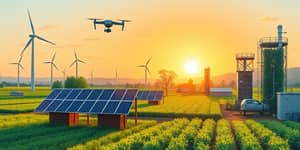
Technology is reshaping agriculture at an unprecedented pace. Farmers and enterprises now leverage AI-powered platforms, remote sensing, and robotics to optimize operations. These innovations not only boost yields but also reduce resource waste and environmental impact.
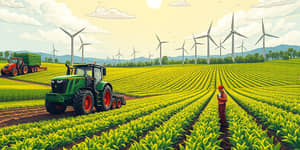
From satellite imagery guiding irrigation schedules to autonomous tractors handling tilling and harvesting, the ecosystem is intertwined with cutting-edge IoT sensors and robotics and robust data-driven predictive analytics solutions. Early adopters report yield increases of up to 20% while cutting input costs by 15%.
- AI and machine learning for crop health monitoring
- Precision agriculture platforms and analytics
- Automated irrigation and drone-based spraying systems
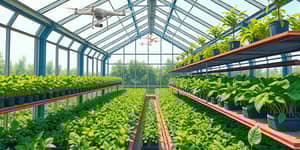
- Vertical farming and controlled environment agriculture
As digital agriculture markets grow at over 9% annually and automation technologies exceed 10% growth, the momentum shows no sign of slowing.
Regional Hotspots: Opportunities and Challenges
Each emerging region offers unique strengths and hurdles. Smallholders in Africa benefit from mobile-based advisory services, while Asia-Pacific’s consumer demand for functional nutrition fuels R&D. Latin America’s export-driven model accelerates biotech investments, and MENA’s water-scarce landscapes push climate-smart practices.
While infrastructure and financing gaps persist, the potential for scalable impact is immense. Partnerships between global players and local innovators are unlocking pathways to sustainable growth.
Sustainable and Resilient Practices
Sustainability is no longer optional. Consumers in developed markets are willing to pay premiums for traceable, ESG-compliant products, and regulators are tightening standards on carbon footprints. Agribusinesses in emerging markets are embracing focus on climate-resilient crop varieties and soil restoration methods that sequester carbon and boost biodiversity.
Regenerative practices such as cover cropping, reduced tillage, and biological pest control are gaining traction. At the same time, novel production systems—like cellular agriculture and 3D-printed foods—offer ways to decouple food security from land scarcity.
- Enhanced seeds and microbial soil amendments
- Carbon accounting and biodiversity reporting
- Urban vertical farms for local supply chains
By integrating sustainability from the ground up, stakeholders can build resilience against climate shocks and secure long-term profitability.
Strategies for Stakeholders to Cultivate Growth
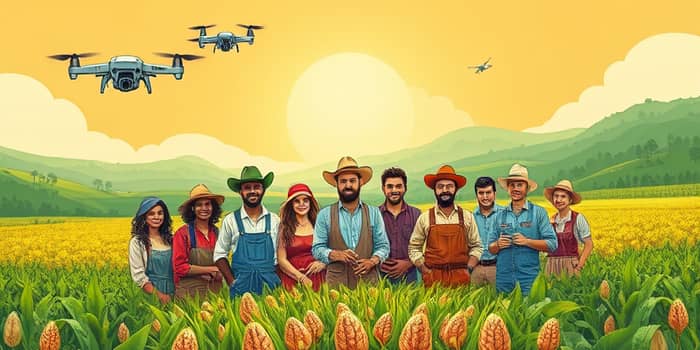
Success in these fast-evolving markets demands a clear vision and coordinated action. Agribusinesses, startups, investors, and policymakers each play critical roles in shaping the future landscape.
- Agribusinesses: Invest in precision technologies and forge local partnerships to navigate regulatory environments.
- Technology Startups: Develop scalable, affordable solutions tailored for smallholders and diverse climates.
- Investors and Policymakers: Channel capital into public-private initiatives and de-risk climate adaptation projects.
Such an ecosystem approach, underpinned by collaborative public-private partnerships and funding and commitment to transparent supply chain reporting, can accelerate innovation diffusion and ensure inclusive growth.
As we look to the next decade, the convergence of technology, sustainability, and investment in emerging agribusiness markets creates a fertile ground for transformation. By sowing the right seeds today, stakeholders can harvest a future of food security, economic opportunity, and environmental stewardship.
References
- https://farmonaut.com/blogs/venture-capital-trends-in-agriculture-tech-funds-2025
- https://brightgreenpartners.com/blog-insights/insights-agrifood-tech-trends-2025/
- https://www.icl-group.com/blog/4-key-agrotech-trends-2025/
- https://eos.com/blog/agritech-market-overview-and-trends-for-2025-2030/
- https://www.agribusinessglobal.com/markets/10-key-trends-to-watch-in-global-agribusiness-in-2025/
- https://agentblog.nationwide.com/additional-coverage-insights/agriculture/2025-global-agribusiness-trends/
- https://a-connect.com/insight/2025-trends-in-agribusiness-food-ingredients-animal-nutrition/
- https://www.dllgroup.com/en/blogs/blogsoverview/2025-trends-innovations-and-challenges-in-agriculture-and-food-systems