As 2025 unfolds, rural agriculture faces both daunting challenges and unprecedented possibilities. Next generation farmers stand at a crossroads, balancing economic pressures, climate risks, and rapid technological shifts. Understanding how to secure capital, adopt innovations, and build resilient operations will determine their success in an evolving sector.
The key to thriving lies in embracing new financing models, leveraging cutting-edge tools, and cultivating sustainable practices that meet market demands. This article explores the state of play, highlights practical strategies, and offers inspiration for tomorrow’s agricultural leaders.
Economic Outlook for 2025
After a difficult 2024, U.S. net farm income is set to rebound by 26.4% to $180.1 billion in 2025. Gross cash farm income is forecast at $609.4 billion, driven by improved commodity prices and cost controls. Production expenses are expected to decline by 2.9%, following a 4.3% drop the previous year.
However, volatility remains high. One in three farm operations contend with global supply chain disruptions and commodity swings annually. For next gen farmers, mastering risk management and securing reliable funding are essential.
Technological Innovations Reshaping Farms
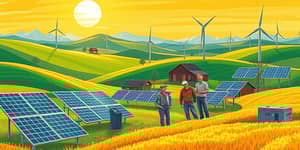
Technology adoption is no longer optional. An estimated 60–62% of U.S. farms now use precision agriculture, leveraging real-time data from drones and sensors to optimize inputs. Variable Rate Technology adoption for pesticide application soared from 20% in 2019 to 50% in 2022, showcasing the pace of change.
Automation and robotics are set to reduce manual labor needs by about 40% on large farms. Yet high initial costs, maintenance demands, and rural connectivity gaps can hinder small operators.
Data privacy and cybersecurity also pose new risks as farms integrate cloud platforms and digital management tools. Next gen farmers must build robust protocols to safeguard their operations.
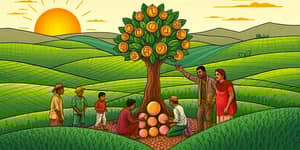
Financing Models for Next Gen Farmers
Traditional credit is tightening. In 2025, high interest rates and restrictive lending conditions limit access to affordable capital, especially for beginning farmers.
Fortunately, alternative financing sources are on the rise:
- Ag-focused venture capital and impact funds target sustainability and technology projects.
- Rural fintech platforms offer peer-to-peer loans and payday alternatives for seasonal cycles.
- Flexible lease-to-own equipment finance programs tailored for small-scale operators.
Government support still plays a vital role. Over 80% of eligible acres are enrolled in federal crop insurance programs, which now include environmental incentive bonuses. Yet administrative hurdles and coverage gaps leave many young farmers seeking complementary private options.
Bridging the Labor and Education Gap
Rural population decline and a 25% labor shortage are pushing farms toward automation. While robotics fill some roles, critical thinking and tech management skills are in high demand.
Next gen farmers must commit to ongoing education in precision methods, data analysis, and equipment maintenance. Partnerships with local colleges and extension services can offer training in:
- Digital mapping and GIS applications.
- IoT network setup and cybersecurity basics.
- Regenerative field management techniques.
By building networks and collaborative learning communities, young operators can share best practices and pool resources.
Sustainable Practices and Market Value
Demand for organics and plant-based products is surging. In 2025, organics will command $66 billion in U.S. annual sales, while plant-based alternatives capture over 11% market share.
Cultivating value per acre through sustainability has become as important as yield. Farms adopting regenerative methods rose to 32–35% of U.S. acreage, up from 22% in 2020. These practices restore soil health, reduce input costs, and open access to premium markets.
Direct-to-consumer models and digital marketplaces further enhance profitability. By connecting with niche buyers who value traceability and ethical production, next gen farmers can command higher prices.
Overcoming Key Challenges
Despite opportunities, several barriers persist:
- High input and equipment costs driven by inflation.
- Disparities in tech and funding access for smaller and minority-owned farms.
- Complexity of government program applications.
Innovative public-private partnerships are emerging to address these gaps. For example, impact funds collaborate with extension services to provide bundled financing and training packages. Digital platforms are streamlining grant applications and insurance claims through automated workflows.
Charting a Path Forward
Next generation farmers must navigate a landscape defined by rapid change. Success hinges on three intertwined strategies:
- Securing diverse funding sources—mixing private, public, and alternative capital.
- Embracing cutting-edge agtech solutions while investing in digital literacy.
- Embedding sustainability into every decision to unlock value-driven markets.
By aligning economic resilience with environmental stewardship, young farmers can lead rural agriculture into a prosperous future. Collaboration among lenders, policymakers, and agtech innovators will be critical to ensure no one is left behind.
Ultimately, financing the future of rural agriculture is not just a matter of capital. It is a collective journey toward a system where technology, sustainability, and community intersect. For the next generation, this convergence offers both purpose and profit—transforming fields into beacons of innovation and resilience.
References
- https://farmonaut.com/usa/farming-in-america-2025-powerful-trends-shaping-agriculture
- https://farmonaut.com/usa/us-farming-industry-2025-trends-opportunities
- https://www.croplife.com/management/2025-predictions-in-agriculture-farm-for-value-not-just-volume/
- https://agtech.folio3.com/blogs/top-agriculture-issues-for-farmers-in-2024/
- http://www.ers.usda.gov/data-products/ag-and-food-statistics-charting-the-essentials/farming-and-farm-income
- https://www.youtube.com/watch?v=kCm2kVAQIfg
- https://www.farmprogress.com/farm-business/are-farmers-going-out-of-business-in-2025-
- https://www.rafiusa.org/blog/small-farms-week-2025-nurturing-the-next-generation-of-agriculture/