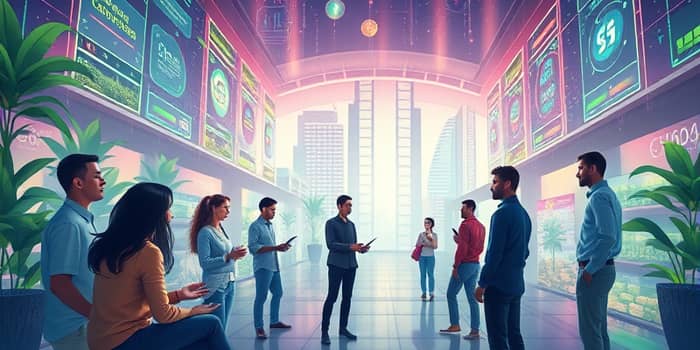
In mid-2025, the world of lending stands at a pivotal crossroads. After years of elevated borrowing costs and tightening regulations, a new era of opportunity is emerging. As interest rates hint at cuts and technology reshapes every touchpoint, both lenders and borrowers face a landscape rife with promise and complexity. This article offers an in-depth guide to understanding the forces at play, practical strategies to succeed, and a vision for a more inclusive, sustainable future.
By weaving together economic insights, consumer trends, and cutting-edge innovations, we will unpack how institutions can not only survive but thrive in this dynamic environment. Whether you are a seasoned finance professional or a curious borrower, you’ll find actionable tips and inspiring ideas to navigate modern lending’s nuances.
Understanding the Economic and Regulatory Landscape
After a prolonged cycle of high rates designed to curb inflation, markets are anticipating potential rate cuts in 2025. This shift promises to unlock pent-up demand for mortgages, small-business loans, and consumer credit. Against this backdrop, inflation is easing but still vigilant—influenced by new tariffs, supply chain adjustments, and monetary policy recalibrations. Institutions must stay nimble as central banks weigh data and communicate potential adjustments.
Meanwhile, U.S. total debt has surged to $35 trillion—approximately 122% of GDP—levels unseen since World War II. Consumer debt alone nears $18 trillion, driven by mortgages, student loans, and credit lines. Regulatory bodies are responding by tightening compliance requirements, especially around risk management and tailored regional practices. Lenders must adapt swiftly to evolving rules, balancing growth ambitions with rigorous governance.
- Total U.S. debt: $35 trillion
- Consumer debt nearing $18 trillion
- Debt-to-GDP ratio at 122%
- Mortgage origination expected to jump 28%
Shifts in Consumer Behavior and Expectations
Today’s borrowers demand more than capital—they seek experiences aligned with their values. Traditional credit cards are losing ground to interest-free alternatives and BNPL, especially among Gen Z. This cohort prioritizes transparency, speed, and flexibility, often favoring digital wallets and in-app financing over plastic cards.
Environmental consciousness is another powerful driver. Younger consumers increasingly evaluate lenders based on their green finance offerings—eco-loans, carbon-offset mortgages, and sustainability-linked lending programs. Delivering digital-first, highly personalized consumer experiences has become table stakes, with real-time analytics shaping individualized rate quotes, credit limits, and reward structures.
Technological Innovations Driving Modern Lending
At the heart of the modern lending revolution is artificial intelligence. From AI-powered fraud detection has cut false positives by nearly 88%, to predictive scoring models that assess creditworthiness in seconds, AI is transforming risk management and customer service. Underwriting processes that once required days of manual review now close in minutes, boosting both efficiency and approval rates.
Open APIs and embedded finance are weaving loans into everyday applications—from healthcare platforms offering instant patient financing, to gig-economy apps extending credit to independent contractors. Behavioral data and micro-signals, such as spending shifts or income deposits, feed real-time risk engines that adjust offers on the fly. Meanwhile, advanced CRM tools enable lenders to segment borrowers and deliver contextually relevant communication, reinforcing engagement and loyalty.
Trends Across Lending Segments
Each lending segment is evolving under unique pressures and opportunities. Consumer lending sees a pivot to flexible, digital-first products. Mortgages are entering an eco-friendly phase with growing demand for green home loans. Credit cards face headwinds from BNPL, while small businesses benefit from embedded credit in accounting and ERP systems.
Challenges and Opportunities Ahead
Rising delinquencies are an unavoidable risk as debt balloons. Proactive monitoring, fueled by behavioral analytics, can flag early warning signs—reducing losses and supporting at-risk borrowers. Meanwhile, digital and embedded lending offer a path to financial inclusion, extending credit to underserved demographics when models adapt to non-traditional data sources.
Green finance remains a compelling opportunity. Borrowers are drawn to products that reward environmental stewardship, and investors are channeling capital toward sustainable loan portfolios. Lenders that integrate ESG criteria into origination, underwriting, and reporting will gain a competitive edge and foster long-term resilience.
Best Practices for Lenders in 2025
To capitalize on these trends while mitigating risks, institutions should adopt a holistic, forward-looking approach. Technological investment is no longer optional; it’s the backbone of scalable, compliant operations. Equally important is building trust through clarity, education, and ethical practices.
- Prioritize clear, upfront borrower education on rates and fees
- Invest in cutting-edge AI and automated workflows
- Embrace sustainable and ethical lending practices
- Leverage real-time data to anticipate regulatory changes
Conclusion: Charting a Course Toward Responsible Growth
Modern lending is a tapestry woven from shifting economics, consumer values, and relentless innovation. By understanding the intricate interplay of these forces, lenders can craft solutions that empower borrowers while safeguarding their own stability. As we embrace the promise of lower rates, AI-driven insights, and eco-conscious finance, the path forward is clear: build with purpose, serve with transparency, and lead with empathy.
In doing so, we don’t just navigate the nuances of modern lending—we redefine them, unlocking a future where credit is not merely a transaction, but a catalyst for progress and shared prosperity.
References
- https://fintech-market.com/blog/consumer-lending-trends-in-2025
- https://www.jackhenry.com/fintalk/ai-open-data-and-finance-the-future-of-lending-for-financial-institutions
- https://hesfintech.com/blog/lending-trends-2025/
- https://www.cognizant.com/us/en/insights/insights-blog/lending-trends-to-watch-in-2025
- https://neo-fin.com/blog/lending-trends-in-2025/
- https://www.oncourselearning.com/resources/mortgage-industry-2025
- https://www.meridianlink.com/blog/2025-mortgage-lending-trends-is-your-credit-union-ready/
- https://www.emarketer.com/content/us-home-lending-trends-2025