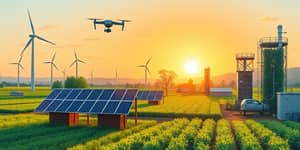
In an era of market uncertainty and shifting economic landscapes, investors seek assets that combine solidity with growth potential. Agricultural real estate has emerged as a dynamic choice that not only anchors portfolios but also supports global food systems and sustainable practices.
Historical Performance and Enduring Benefits
Farmland has delivered exceptional returns with remarkably low volatility. Over the past 85 years, agricultural land achieved approximately 11% annualized returns, outperforming many traditional asset classes. From 1970 to 2021, nominal values rose by an average of 6.7% per year, while real growth—after accounting for inflation—averaged 2.7% annually. Combined with an average cash rent return of 6.1%, the total inflation-adjusted yield reached 8.8% per year.
Investors value farmland for its long-term resilience and inflation protection. During economic downturns, when stocks and bonds falter, agricultural land often retains its value, driven by the unceasing demand for food and fiber. This stability makes farmland an attractive diversifier, reducing overall portfolio risk and generating steady returns.
Valuation Metrics and Land Characteristics
Determining the right price per acre requires careful consideration of multiple factors. While region-specific trends and comparable sales are crucial, intrinsic land qualities often dictate top-dollar valuations.
- Soil Quality: nutrient-rich and well-draining soils command premiums, as they support higher yields and lower input costs.
- Water Access: Reliable sources—rivers, aquifers, or irrigation systems—can dramatically increase land value.
- Location and Infrastructure: Proximity to markets, highways, and processing facilities enhances profitability and future development potential.
- Additional Assets: Barns, fencing, irrigation equipment, and access to utilities add tangible value beyond raw acreage.
Market reports from organizations like the USDA’s National Agricultural Statistics Service and regional land boards provide data on supply and demand, historical price trajectories, and rental trends. Investors should analyze these sources regularly to identify emerging opportunities and avoid overpaying.
Income Streams and Profit Strategies
Beyond land appreciation, agricultural real estate offers diverse revenue channels. Traditional crop production remains the primary income source, but modern investors can tap into alternative streams that bolster returns and enhance resilience.
- Cash Rent: Leasing land to farmers delivers stable and predictable income streams, often yielding around 6% annually.
- Recreational Leases: Hunting, fishing, and agritourism leases can provide supplemental earnings.
- Resource Royalties: Mineral, water, and carbon credits present emerging opportunities for passive income.
- Renewable Energy: Leasing acreage for solar or wind installations adds new revenue while supporting green energy initiatives.
Converting conventional farmland to organic production has shown gross margin per acre increases from $300 to $800 in some cases, underlining the potential upside of value-add strategies.
Investment Models to Consider
Investors can engage with agricultural land through several avenues, each offering unique benefits:
Direct ownership allows hands-on management or leasing arrangements. Real Estate Investment Trusts (REITs) provide exposure without operational responsibilities, while farm syndications and funds pool capital for more significant acquisitions. Partnerships that align investor and farmer incentives foster long-term stewardship and shared risk.
Navigating Risks and Conducting Due Diligence
Despite its strengths, farmland investment carries specific risks. Price fluctuations driven by commodity markets, weather events, and policy changes can impact land values. Soil or water quality issues may require costly remediation. Additionally, farmland is inherently less liquid, potentially extending exit timelines.
- Market Analysis: Track local land sales and regional demand to gauge potential exit options.
- Physical Inspection: Engage agronomists and surveyors to assess soil composition, drainage, and water access.
- Legal Review: Confirm zoning, easements, and environmental regulations to avoid hidden liabilities.
Emerging Trends and Future Opportunities
Global population growth and changing dietary patterns ensure that productive farmland remains in high demand. Simultaneously, urbanization and environmental pressures shrink available acreage, elevating land values.
Technological innovations—data-driven agriculture and precision farming—optimize yields and resource use, further enhancing value. Meanwhile, sustainable practices open doors to carbon markets, incentivizing organic conversion and regenerative practices that capture additional revenue and improve long-term soil health.
Steps to Begin Your Farmland Investment Journey
Embarking on agricultural real estate investment requires a structured approach:
- Define Objectives: Clarify return expectations, investment horizon, and desired level of involvement.
- Research Regions: Compare soil maps, climate data, and market access across prospective areas.
- Financial Modeling: Project cash flows from rents, crops, and alternative income to assess returns.
- Engage Experts: Work with appraisers, agronomists, and legal advisors to validate assumptions and manage risk.
By following these steps and harnessing the power of farmland’s unique attributes, investors can build enduring portfolios that generate both financial returns and positive environmental impact.
References
- https://www.numberanalytics.com/blog/quick-guide-ag-land-value-metrics
- https://apxnproperty.com/farmland-investment-guide/
- https://www.farmlandlp.com/2025/03/the-advisors-guide-to-farmland-investment/
- https://peoplescompany.com/blog/factors-that-affect-the-value-of-agricultural-land-a-complete-guide-for-buyers-and-sellers
- https://www.fbn.com/community/blog/assess-farmland-value
- https://www.weilandfarms.com/blog/how-to-invest-in-farmland
- https://www.farmlandstocks.com/resources/farmland-investing-101
- https://www.whitetailproperties.com/knowledge-center/farmland-values-a-guide-to-price-per-acre