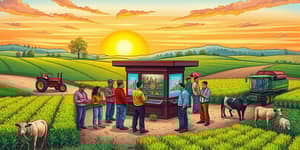
The vast Australian Outback represents a frontier for ambitious investors seeking growth, stability, and a connection to the land. In 2025, a convergence of macro trends, government initiatives, and demographic shifts has elevated regional opportunities beyond mere novelty to compelling, long term capital secure assets.
Why the Outback Demands Attention in 2025
Australian regional and rural investment is accelerating, with the agribusiness sector expecting over AUD 2.5 billion in new investments by the end of 2025. At the same time, sustainable agriculture is on track to expand at an annual rate of 6.2%, fueled by growing global demand for ethical, high-quality produce and advances in agtech. These figures underscore a broader movement—investors are no longer bound to crowded urban corridors but are looking outward to the red earth and green fields that promise reliable returns and meaningful impact.
One of the most powerful drivers is the persistence of post-pandemic remote work trends, which have encouraged families and professionals to embrace a quieter lifestyle. With more people able to work from anywhere, regional towns have become hubs of innovation, attracting small businesses, creative entrepreneurs, and digital nomads eager to combine life and work in new ways.
Beyond financial returns, investing in regional Australia can deliver social dividends. New investment spurs employment, funds local schools and health clinics, and supports indigenous communities. building resilient regional communities transforms landscapes and lives, making capital work for collective progress, not just individual profit.
Comparing Urban and Regional Investments
Understanding the trade-offs between city living and outback ventures is essential for any investor crafting a balanced portfolio. Below is a comparative overview of key investment criteria:
Agribusiness: Planting Seeds of Prosperity
Broadacre cropping remains a cornerstone of outback opportunities. Regions across Queensland and New South Wales are producing wheat, barley, canola, and pulses with climate-resilient farming bringing competitive returns. Agtech innovations such as precision seeding, drone monitoring, and water-efficient irrigation systems are boosting yields and reducing environmental impact.
Meanwhile, the livestock sector—particularly beef, sheep meat, and dairy—benefits from strong export demand in Asia and beyond. Investors are increasingly drawn to carbon-neutral beef initiatives and traceable supply chains that cater to consumers seeking ethically produced meats. As a result, ranches equipped with advanced animal health monitoring and low-emission technologies are commanding premium prices and fostering long-term partnerships with international buyers.
Real Estate and Property Strategies
Land affordability in regional Australia allows investors to acquire extensive parcels at a fraction of urban costs. By purchasing multiple smaller holdings, or a single broad acre station, investors can diversify land use—from cropping to grazing—while maintaining operational flexibility.
- Lower entry costs compared to capital cities
- high demand for regional rentals driven by lifestyle seekers
- Potential for family-scale developments and agritourism ventures
Rental yields in regional centers often outpace urban averages when measured against purchase price, as families and professionals seek larger, more affordable homes. Properties in regions with recent infrastructure investments experience the most pronounced growth, reflecting the positive interplay between accessibility and capital appreciation.
Infrastructure and Government Support
The federal and state governments have recognized the strategic importance of regional Australia. Through initiatives such as the Regional Connectivity Program (RCP) and the Queensland Capacity Network (QCN), millions have been invested in digital and transport upgrades. These projects deliver enhanced mobile, broadband, and Wi-Fi access to remote farms and towns, transforming once-isolated properties into hubs of productivity and connectivity.
Upgrading roads, freight networks, and renewable energy projects (solar farms, wind turbines, and bioenergy plants) further cements the outback as a growth corridor. Investors who align their interests with these developments often benefit from reduced operational costs and increased property values as infrastructure milestones are completed.
Risks and Considerations
While the opportunities are vast, investors must remain aware of potential pitfalls. Rural and remote properties typically have lower liquidity, requiring a patient approach and careful market timing. Economic fortunes in the outback can hinge on commodity cycles—slumps in agricultural prices or mining activity can affect local employment and rental demand.
- Lower resale liquidity; may require extended holding periods
- Economic dependency on agriculture, mining, or tourism
- Limited access to urban-level amenities and healthcare
Due diligence is critical: working with local managers, engaging agronomists, and seeking advice from regional real estate experts can help mitigate these risks and align investments with long-term objectives.
Emerging Hotspots and Case Examples
Certain towns and regions have distinguished themselves as particularly promising:
- Tamworth, NSW: Boasts excellent demographics, strong rental markets, and diverse industries beyond agriculture.
- Perth’s Northern Coastal Strip: Offers coastal appeal combined with proximity to a major city.
- Regional Queensland: Accelerated by mining demand and extensive infrastructure upgrades.
Institutional investors are also beginning to participate, purchasing large tracts for carbon projects and renewable energy, signaling confidence in the long-term value of these landscapes.
Strategies for a Balanced Portfolio
Investors aiming to balance risk and reward can blend urban and outback holdings. By allocating a portion of capital to regional properties, portfolios gain exposure to highly supply-constrained land assets while maintaining liquid, high-growth urban investments. Regular portfolio reviews and agile repositioning allow stakeholders to capitalize on market cycles and emerging government incentives.
Ultimately, tree change bolstering property demand is more than a passing trend; it represents a fundamental shift in how Australians live and work. For visionary investors willing to look beyond the city lights, the Outback offers not just financial returns, but a chance to participate in the stewardship of land, community building, and sustainable progress. As 2025 unfolds, the pioneering spirit that once defined exploration now beckons through opportunity—come claim your place under the vast outback sky.
By engaging with sustainable land management practices, investors can help regenerate ecosystems and promote biodiversity. This alignment of profit with purpose ensures that the Outback’s natural beauty and resources endure for generations, creating legacy wealth with impact.
References
- https://farmonaut.com/australia/australian-agriculture-investment-top-5-opportunities-2025
- https://easypropertyinvestor.com.au/articles/australian-property-market-urban-vs-rural-investments/
- https://www.eldersrealestate.com.au/the-view/regional-real-estate-to-thrive-in-2025/
- https://www.ljhooker.com.au/blog/urban-vs.-rural-property-investment-pros-and-cons
- https://pivotpb.com.au/where-are-the-best-investment-property-locations-in-australia-in-2025/
- https://dreamtimeawards.com.au/updates/rural-vs-urban-valuation-sydney/
- https://hudsonfinancialplanning.com.au/resources/education-reports/regional-property-boom-australia-2025/
- https://cjclaw.com.au/urban-vs-rural