In an era defined by rapid innovation and shifting consumer demands, agribusiness stands out as a multibillion-dollar industry fueled by innovation. With global market size projections ranging from USD 2.34 trillion to USD 3.4 trillion in 2024, and forecasts that this sector could exceed USD 4.4 trillion by 2033, stakeholders are focused on charting a course through complex economic, environmental, and technological landscapes. From the fertile plains of North America to the dynamic fields of Asia-Pacific, this article explores the data, trends, challenges, and opportunities that shape modern farming and food production.
Market Size and Regional Overview
Current estimates place the global agribusiness market between USD 2.34 trillion and USD 3.4 trillion, reflecting variations in definitions and industry scope. Forecasts anticipate a compound annual growth rate (CAGR) between 2.77% and 3.48% over the next decade, underscoring robust growth projections through 2033. This steady expansion is driven by rising food demand, innovation in farm technology, and expanding global supply chains.
Regionally, North America commands the largest share, representing over 41.3% of the market in 2024. Advanced infrastructure, significant investment in research and development, and the rapid adoption of cutting-edge technologies sustain its leadership position. Meanwhile, the Asia-Pacific region emerges as the fastest-growing market through 2030, fueled by rising populations, urbanization, and increasing consumer purchasing power. Europe, Latin America, and Africa each present unique dynamics—Europe’s mature regulatory environment, Latin America’s agricultural abundance, and Africa’s untapped potential shaped by demographic growth.
Key Structural Segments
The agribusiness value chain encompasses diverse operations that range from primary production to high-end processing and technological services. Understanding these segments is crucial for investors, policymakers, and producers aiming to capture market share and optimize efficiency.
- Crop Production: Cereals, fruits, vegetables, and oil crops dominate planting strategies worldwide.
- Livestock & Dairy: Meat, eggs, milk, and animal husbandry form a foundation for global protein supply.
- Value-Added Processing: Milling, packaging, and distribution add economic value and extend shelf life.
- Technology & Agritech: Precision agriculture, digital platforms, and automation drive yield improvements.
These segments interact dynamically, as innovations in one area—such as genetic improvements in crop production—can cascade into downstream efficiencies in processing and distribution, creating accelerating digital transformation in farming across the entire supply chain.
Major Trends Reshaping the Market
Several overarching trends are redefining how agribusiness operates and competes in global markets. Staying ahead of these forces is essential for companies seeking to safeguard margins and build long-term resilience.
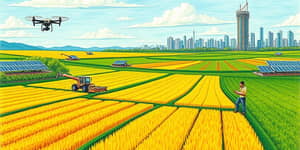
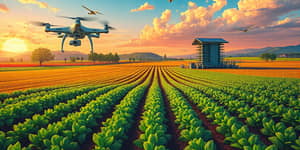
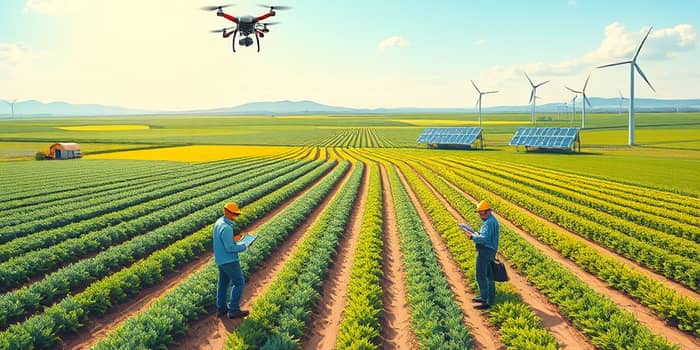
- Technology Adoption: Implementation of precision agriculture, IoT sensors, drones, satellite monitoring, and real-time field analytics is becoming ubiquitous.
- Sustainability Initiatives: Consumers and regulators demand integrated pest management, biological inputs, and improved soil and water stewardship.
- Supply Chain Evolution: Digital platforms and agritech startups streamline farm-to-market logistics, reducing waste and enhancing transparency.
- Productivity and Resource Optimization: Advances in seed genetics, fertilizer efficiency, and farm management software tackle land scarcity and bolster food security.
- Collaborative Ecosystems: Strategic alliances among farmers, technology providers, and research institutions foster shared solutions to global challenges.
By leveraging precision agriculture, IoT sensors, drones, and satellite monitoring, stakeholders can achieve higher yields with lower resource inputs and minimize environmental impact, showcasing the power of sustainable farming practices that preserve resources.
Challenges and Risks Ahead
Despite promising trends, agribusiness faces mounting headwinds. Climate-related events have intensified—the frequency of billion-dollar weather disasters has more than doubled in recent decades—threatening production stability and elevating insurance costs. Price volatility remains pronounced, with global agricultural commodity prices down 3.1% year-over-year and 24.7% below their March 2022 peak, while input costs for fuel, fertilizer, and seeds stay stubbornly high, compressing profit margins on the farm.
Geopolitical tensions also introduce uncertainty. Trade barriers, tariff disputes, and shifting regulatory environments can disrupt export flows and inflate the cost of imported inputs. Furthermore, the high initial capital required for agritech adoption can deter smaller producers, delaying innovations that could enhance resilience during economically volatile periods.
Opportunities on the Horizon
For forward-thinking players, the evolving agribusiness landscape presents numerous entry points for growth and profitability. Areas ripe for expansion include:
- Growth in Emerging Markets: Asia-Pacific and Africa offer vast potential, driven by population expansion, dietary diversification, and urbanization.
- Expansion of Value-Added Products: Specialty crops, organic certifications, and sustainable packaging command premium prices.
- Risk Mitigation and Insurance: Demand for climate and price risk management solutions is surging, creating new financial product opportunities.
- Sustainable Investment: Institutional capital increasingly targets climate-smart agriculture, ESG funds, and green financing instruments.
These avenues illustrate how agribusiness can not only weather immediate disruptions but also adapt and thrive in a more complex future.
Future Outlook and Actionable Insights
Looking ahead, the most successful agribusinesses will blend collaborative ecosystems driving sector resilience with innovative technologies and robust environmental stewardship.
Strategies to consider include investing in scalable digital platforms that provide predictive analytics and actionable field insights. Establishing partnerships with research institutions and startups can lead to co-developed sustainable inputs and bioproducts. Adopting circular economy principles reduces waste, promotes resource efficiency, and unlocks new revenue streams. Engaging with policymakers helps shape supportive regulations and access funding for climate-smart projects.
Ultimately, the path to long-term profitability and resilience in agribusiness lies in embracing change, fostering collaboration, and prioritizing sustainable practices. Those who innovate responsibly will reap the greatest returns, ensuring both economic success and the well-being of our planet.
References
- https://www.imarcgroup.com/agribusiness-market
- https://www.360iresearch.com/library/intelligence/agribusiness
- https://www.mordorintelligence.com/industry-reports/agribusiness-market
- https://www.agribusinessglobal.com/markets/10-key-trends-to-watch-in-global-agribusiness-in-2025/
- https://eos.com/blog/agritech-market-overview-and-trends-for-2025-2030/
- https://agentblog.nationwide.com/additional-coverage-insights/agriculture/2025-global-agribusiness-trends/
- https://www.statista.com/outlook/io/agriculture/worldwide
- https://www.technavio.com/report/agribusiness-market-industry-analysis