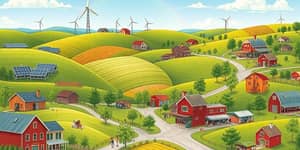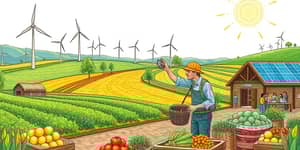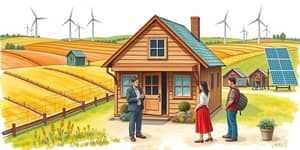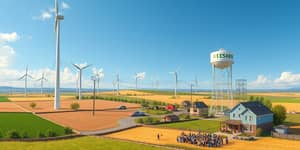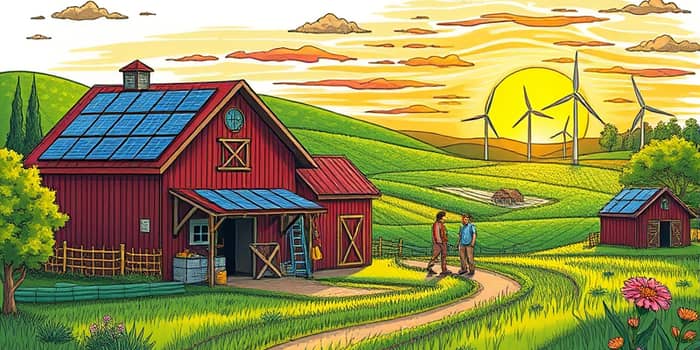
Rural entrepreneurs are redefining innovation by integrating environmental stewardship with economic growth. Yet many face a critical funding gap. By embracing sustainable finance principles, they can unlock capital and accelerate their impact.
Definition and Principles of Sustainable Finance
Sustainable finance integrates environmental, social, and governance criteria into all lending and investment decisions. It shifts the focus from short-term gains to long-term prosperity for both people and the planet.
This approach includes responsible investment, green loans, grants, and impact investing. By evaluating non-financial metrics—such as carbon footprint and societal benefit—financial institutions become gatekeepers for a lower-carbon, more resilient, and fairer economy.
The Rural Investment Gap
Despite representing 12% of all U.S. businesses, rural startups receive less than 1% of venture capital funding. This stark disparity hinders innovation in communities that often lead in agricultural and resource-based industries.
Women-led and minority ventures in rural areas face additional barriers, including constrained financial products and limited access to influential networks. Federal programs exist, but benefits often flow to larger urban enterprises.
Funding Flows and Growth Verticals in Agritech
Global agritech funding is surging toward $40 billion by 2025, a 15% increase year-on-year. Venture capital for agri-tech is projected to exceed $30 billion, driving digital transformation in rural economies.
A diverse set of investors—from venture capital funds and impact investors to community banks and microfinance institutions—are committing capital to rural innovation.
Sustainable Finance Products & Mechanisms
Rural startups can tap into a variety of specialized financing tools:
- Green loans to support energy-efficient upgrades and sustainable sourcing.
- Impact investments seeking measurable environmental and social returns alongside profit.
- Crowdfunding platforms and rural-focused funds that democratize access to capital.
- Government and philanthropic grants tailored for rural sustainable development.
Case Studies: From Rural Cafés to Precision Farming
Consider a family-owned rural café that secured a green loan to install solar panels and upgrade to energy-efficient appliances. This investment reduced operating costs by 20% and attracted eco-conscious customers, boosting local loyalty.
In another example, a precision agriculture startup used an impact fund to scale its IoT-powered soil sensors across multiple farms. By demonstrating improved yields and resource optimization, the company unlocked follow-on venture capital for rapid expansion.
Practical Steps for Rural Entrepreneurs
To position a rural startup for sustainable financing, founders should:
- Develop a credible sustainability plan with clear environmental and social metrics.
- Engage local stakeholders and build strong relationships with community banks.
- Leverage regional angel networks focused on rural deal flow.
- Explore blended finance models combining grants, loans, and equity.
- Showcase impact data to attract specialized investors.
Policy Recommendations to Bridge the Divide
Policymakers can level the playing field by mandating stronger rural prioritization within existing grant and guarantee programs. Launching targeted regional investment funds and angel networks will syndicate deals optimized for rural contexts.
Strengthening community banks and credit unions can unlock relationship-based lending. Diversifying public–private partnerships and aligning USDA initiatives with local economic development agendas ensures that financing reaches underserved rural entrepreneurs.
The Broader Economic and Environmental Case
Financing rural sustainable development is not only a moral imperative—it is essential for global food security, climate resiliency, and equitable prosperity. By explicitly integrating ESG into rural financing strategies, investors can tap into emerging markets with significant upside potential.
As sustainable finance becomes the new norm, rural startups stand poised to lead in both innovation and impact. Closing the rural–urban funding gap will catalyze a just transition to a low-carbon economy that benefits communities everywhere.
Growing green in rural areas is more than a vision; it is a strategic pathway to resilient livelihoods and environmental stewardship. Entrepreneurs, investors, and policymakers must work in concert to cultivate a flourishing rural finance ecosystem—one that nurtures both people and planet.
References
- https://www.fundz.net/blog/a-green-future-with-sustainable-finance-startups
- https://ruralinnovation.us/resources/reports/rural-americas-struggle-to-access-private-capital/
- https://www.rok.biz/blog/sustainable-finance-key-practices-for-small-and-medium-enterprises-in-2024/
- https://farmonaut.com/blogs/agriculture-startup-funding-agritech-funding-2025
- https://smith.queensu.ca/centres/isf/resources/primer-series/sustainable-finance.php
- https://farmonaut.com/blogs/venture-capital-trends-in-agriculture-tech-funds-2025
- https://sustainablefinanceobservatory.org/what-is-sustainable-finance/
- https://www.agtechnavigator.com/Article/2025/05/14/is-2025-the-year-of-reset-for-agtech/