In an era defined by rapid population growth and environmental uncertainty, agricultural investment has never been more critical. Global financial flows into farming promise to transform the way we produce food, manage resources, and safeguard the planet’s future. This article explores the scale, drivers, regional dynamics, and transformative potential of international investment in agriculture leading into 2025 and beyond.
The Growing Scale of Global Agricultural Investments
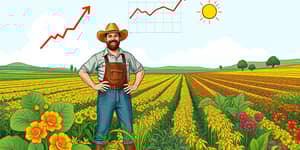
By 2025, experts project that global sustainable agriculture investments will surpass $30 billion, marking a significant shift in capital allocation toward farming. Investors are channeling funds not only into fields and livestock but also into direct farming and agri-infrastructure, technology platforms, logistics, and climate resilience projects. This unprecedented influx of capital underscores the critical importance of agriculture in global economic strategies.
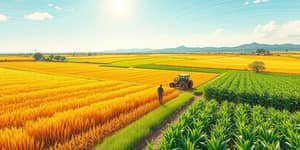
From irrigation networks to supply chain improvements, every facet of agriculture stands to benefit. Governments and private entities alike recognize that robust agricultural systems are essential for food security, rural development, and long-term environmental stewardship.
Macro Drivers Behind Farming Capital Flows
Several macroeconomic and societal trends fuel the rise in agricultural investment. A global population set to exceed eight billion by 2025 demands new efficiencies and higher yields to meet the food demands of urban and rural communities alike. Investors see an opportunity to boost productivity through innovation and scale.
At the heart of this drive is a focus on sustainability. Climate-smart practices, efficient water use, and soil conservation are receiving greater priority, reflecting a broad recognition that long-term productivity hinges on environmental health.
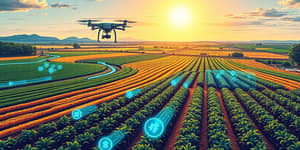
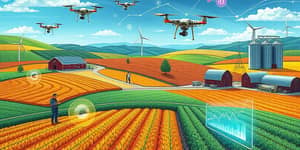
An equally powerful driver is technology. Funding is pouring into precision agriculture, biotechnology, analytics, automation, and sensor networks that deliver real-time insights. From satellite imaging to gene editing, these tools promise to revolutionize both yield and quality while reducing environmental footprints.
Regional Trade Flows and Shifting Partnerships
Trade and investment flows vary significantly by region. The United States, despite its position as a leading agricultural exporter, is projected to record a $49 billion trade deficit in farm goods by 2025. Exports will include livestock, grains, and specialty crops, while rising consumer demand drives a surge in imports of horticultural products and processed foods.
- Major US Exports (2025): Livestock/poultry/dairy ($39.7 billion), grains/feed ($37.7 billion), oilseeds ($32.4 billion), cotton ($4.1 billion).
- Key US Imports (2025): Horticulture, coffee, nuts, processed foods totaling $219.5 billion, up $13 billion from 2024.
- Shifting Partners: Exports to Mexico grow; shipments to China and Canada decline; Southeast Asia and the Middle East emerge as new growth markets.
These evolving patterns reflect both consumer tastes and geopolitical realignments, demonstrating how investment is as much about strategy as productivity.
Commodity Price Trends and Supply Dynamics
Commodity markets have experienced significant volatility, with price shifts driven by weather, global demand, and policy changes. Below is a snapshot of key staple crops in 2025:
These trends highlight the delicate balance between supply constraints and surging global demand, putting pressure on producers to adapt quickly.
Technological Transformations in Agriculture
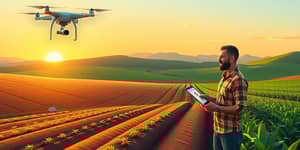
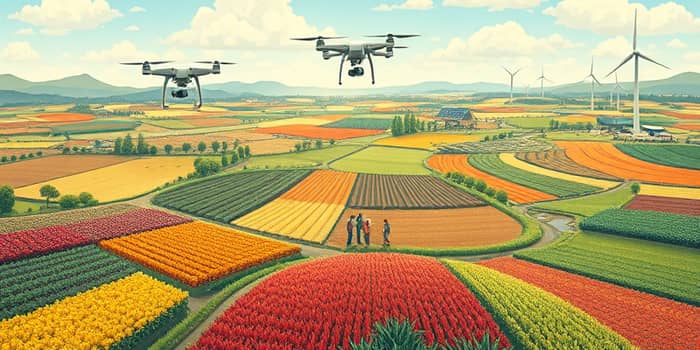
Innovation lies at the core of investment strategies. Adoption of data-driven farming methodologies is accelerating worldwide, enabling farmers to optimize inputs, reduce waste, and improve yields. Integrated pest management, drone-based monitoring, and biological crop protection products are no longer niche—they’re rapidly becoming standard practice.
Despite enthusiasm, many producers in the US and Europe remain cautious, delaying major equipment purchases until after 2025 crop results. This wait-and-see approach among farmers underscores the importance of price signals and economic stability in driving technology uptake.
Cross-sector collaboration is gaining momentum. Competitors share knowledge and infrastructure, co-developing solutions to combat climate risk, pest outbreaks, and resource scarcity. This emerging model of open innovation promises faster progress and a stronger collective response to global challenges.
Fertilizer, Inputs, and National Strategies
Input costs remain a significant factor for farming profitability. Fertilizer prices are forecast to rise by 7% in 2025, stabilizing thereafter but still above pre-pandemic levels. Meanwhile, hybrid seeds and specialized inputs are becoming more prevalent in major production zones.
- Russia: Wheat output for 2025/26 is estimated at 83.5 million metric tons, driven by expanded acreage and improved fertilization.
- India: A record wheat crop of 114 million metric tons is forecast on 32 million hectares.
- Kazakhstan: Plans to diversify into oilseeds and forage crops on 1 million hectares, reducing wheat area by 750,000 hectares over two years.
These case studies illustrate how national strategies and policy incentives shape the global supply landscape.
Policy, Tariffs, and Protectionist Trends
Governments are increasingly using trade policy as a tool to protect domestic farmers. The European Union has imposed higher tariffs on Belarusian and Russian grain to block illegally sourced Ukrainian produce. Similar moves toward self-sufficiency and protectionism are cropping up in other regions, complicating international trade negotiations.
While tariffs can shield local producers, they risk fragmenting global markets and raising consumer prices. Policymakers and investors must navigate these tensions carefully to maintain both national interests and broader food security goals.
Challenges and the Road Ahead
Despite robust investment levels, the agricultural sector faces formidable challenges:
- Ongoing conflicts affecting exports and disrupting supply chains across multiple continents.
- Climate change, with extreme weather events threatening yield consistency.
- Soil degradation and water scarcity, undermining long-term productivity.
- Economic uncertainty and fluctuating commodity prices.
- Regulatory shifts and trade barriers that can erode market access.
Addressing these obstacles requires coordinated action among governments, investors, researchers, and farmers. Investments that integrate resilience, transparency, and sustainability will be best positioned to endure and thrive.
Environmental and Social Impact
Investment dollars are increasingly directed toward climate-smart agriculture investments that reduce greenhouse gas emissions, conserve biodiversity, and improve soil health. Sustainable finance criteria now often mandate environmental and social governance standards before capital is disbursed.
Beyond environmental benefits, these investments have profound social implications. By improving yields and stabilizing markets, they contribute directly to food security, rural livelihoods, and poverty reduction. Diversified cropping systems also strengthen ecosystem resilience, supporting pollinators, wildlife, and water cycles.
Conclusion
International investment in agriculture stands at a pivotal juncture. With over $30 billion projected to flow into sustainable farming by 2025, the potential for transformative change is real. From cutting-edge agtech to policy reforms and community-driven projects, every dollar has the power to nurture productivity, ensure food security, and protect the planet.
Ultimately, success will depend on collaboration, innovation, and a shared commitment to sustainable development. As capital pours into fields around the world, stakeholders must work together to cultivate a future where abundance, equity, and environmental health grow hand in hand.
References
- https://farmonaut.com/blogs/agriculture-investments-2025-sustainable-growth-guide
- https://agamerica.com/blog/agricultural-trade-q1-2025/
- https://farmonaut.com/blogs/agriculture-commodity-prices-2025-market-trends
- https://www.agribusinessglobal.com/markets/10-key-trends-to-watch-in-global-agribusiness-in-2025/
- https://www.statista.com/statistics/1222535/worldwide-agricultural-technology-market-value-by-region/
- https://www.oecd.org/en/publications/2025/07/oecd-fao-agricultural-outlook-2025-2034_3eb15914.html