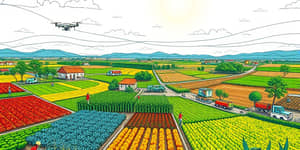
Rural regions have long been the backbone of resource production, but today they are also incubators of innovation. From family-owned farms to craft breweries, rural enterprises are redefining what it means to build sustainable wealth and community resilience. Investors and policymakers now recognize that when capital reaches these underserved markets, the returns go beyond financial gains: they create jobs, foster social cohesion, and revitalize entire regions.
Understanding the Current Landscape
Rural entrepreneurship is more than agriculture; it is a mosaic of industries driving local growth. In the United States, these ventures represent roughly twelve percent of all businesses, yet they receive less than one percent of venture capital funding. Their significance is rooted in job creation, wealth retention, and community identity.
- Agriculture: Crop production, livestock, specialty farms
- Manufacturing: Tradable goods, food processing, textiles
- Local Services: Retail shops, healthcare clinics, hospitality
- Emerging Sectors: Tech services, artisan workshops, creative studios
Trends and Emerging Opportunities
Recent years have seen a shift in resource allocation toward rural areas. States like Colorado are boosting broadband infrastructure and workforce development, aiming to cultivate an ecosystem of support networks for entrepreneurs. Beyond domestic efforts, global interest has surged: since 2003, greenfield foreign direct investment (FDI) in non-metro U.S. areas has reached an astounding $56.8 billion, generating 95,000 jobs.
Key sectors attracting FDI include automotive components (18 percent of projects), food and tobacco processing, renewable energy installations, and specialty textiles. Each project in rural areas averages $64.5 million in value—almost ninety percent higher than metro comparisons. This trend underscores a growing recognition: rural sites can deliver competitive returns when backed by strategic capital.
Bridging the Capital Gap
Despite impressive FDI statistics, local rural businesses face a stark funding deficit. Less than one percent of U.S. venture capital flows to rural startups, forcing entrepreneurs to rely on personal savings or strained community banks. Over the past three decades, rural banks have halved in number, eroding crucial relationship-driven lending.
To counter these challenges, a variety of programs have emerged:
- USDA’s Rural Business Investment Company (RBIC) program, channeling private equity into small enterprises
- State-sponsored grants like Rural Jump-Start and Advanced Industries grants
- Community-based angel networks and digital investment platforms
These mechanisms are designed to inject capital directly into rural ventures, fostering innovative digital marketplaces that match local projects with diversified funding sources.
Facing the Barriers
Investment hurdles in rural areas are multifaceted. Only seven percent of rural small businesses believe they have adequate private sector resources, even as eighty-six percent harbor growth ambitions. Minority-owned rural ventures experience even steeper obstacles, with limited bank access and lower median household wealth exacerbating funding shortfalls.
Moreover, structural challenges like geographic isolation and infrastructure gaps can dissuade outside investors. Overcoming these barriers requires coordinated efforts: community investment pools, peer-based lending platforms, and fintech solutions tailored to rural needs.
Success Stories and Impact
Concrete examples highlight the transformational power of targeted investment. The Goldman Sachs 10,000 Small Businesses program has graduated over 14,000 participants nationwide, with more than 245,000 jobs supported and over $17 billion in annual revenue generated. Simultaneously, USDA’s RBIC funds have raised north of $10 million per fund, ensuring that at least seventy-five percent of investments reach rural areas.
Internationally, the IFAD Rural Enterprise Finance Project in Mozambique illustrates the global applicability of these models. With a $72.5 million budget, it provides financial and technical support to nearly 288,000 beneficiaries, combining training, digital connectivity, and credit facilitation.
These case studies reveal not just financial uplift, but social returns: improved healthcare access, modernized farming practices, and revitalized downtown districts.
The Road Ahead: Policy and Innovation
For rural investment to sustain momentum, stakeholders must forge strong partnerships. Governments, private investors, and local communities need to champion policies that lower barriers to entry and streamline regulatory processes. Tax incentives and public–private ventures can amplify capital flows, while continued investment in broadband and training will prepare rural populations to participate fully in digital economies.
Emerging innovations such as rural investment marketplaces leverage data analytics and online matching algorithms to connect investors with projects that align with their risk-return profiles. These platforms can help scale successful pilots into nationwide movements, ensuring that every dollar invested generates both economic growth and community well-being.
In the coming decade, the convergence of technology, policy, and community action promises to transform the rural investment landscape. By embracing a shared prosperity mindset, investors and entrepreneurs alike can convert pastures into thriving portfolios—fueling growth that resonates far beyond the farm gate.
References
- https://startupcolorado.org/the-future-of-rural-entrepreneurship/
- https://ruralinnovation.us/resources/reports/rural-americas-struggle-to-access-private-capital/
- https://www.ifad.org/en/w/projects/2000001175
- https://www.goldmansachs.com/community-impact/10000-small-businesses/us/news-and-program-information/investing-in-small-businesses-across-rural-communities
- https://www.rd.usda.gov/programs-services/business-programs/rural-business-investment-program
- https://www.stlouisfed.org/community-development/publications/invest-in-rural